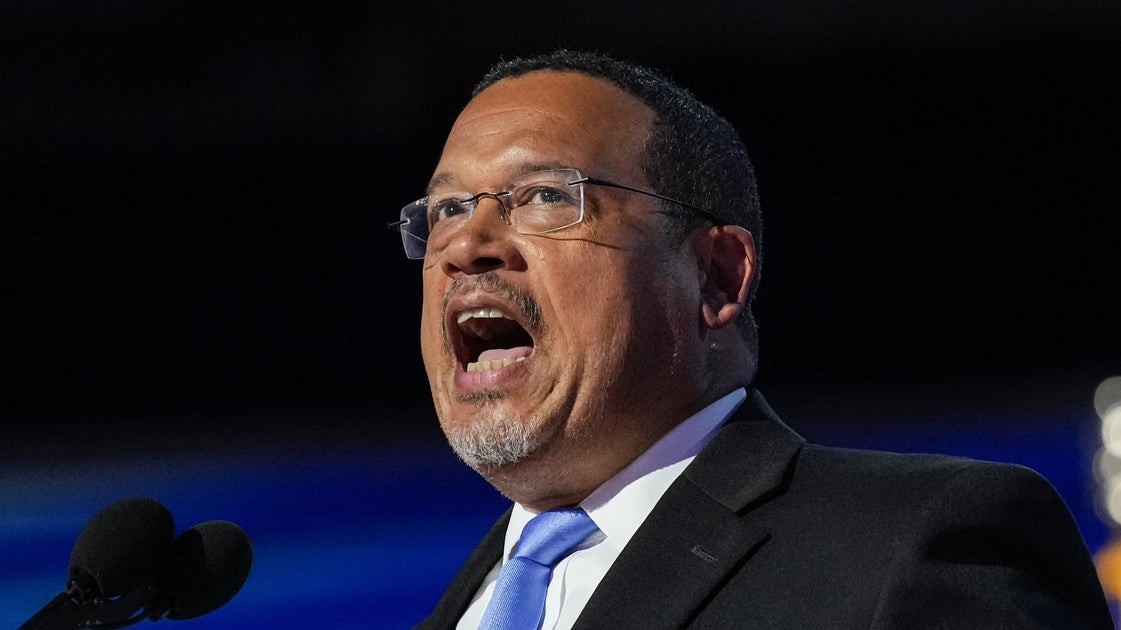
Minnesota Attorney General Keith Ellison has sharply criticized federal authorities for what he calls a “deeply disturbing” decision to exclude state investigators from examining the fatal shooting of Renee Nicole Good, a 37-year-old Minneapolis resident, by federal immigration authorities on Wednesday. The U.S. Attorney’s Office has effectively barred the Minnesota Bureau of Criminal Apprehension (BCA) from accessing key evidence, including crime scene materials and witness interviews, escalating tensions over transparency and accountability in the case.
Incident Overview
The shooting occurred when Good was inside her vehicle, which was surrounded by federal agents. Bystander footage shows Good reversing and then accelerating forward, prompting an officer to fire three shots through her windshield and driver-side window. The Department of Homeland Security has labeled Good as a “violent rioter,” alleging she weaponized her vehicle against a federal agent who was allegedly defending himself.
Investigation Blockade
Initially, the BCA and FBI collaborated on a joint investigation. However, the U.S. Attorney’s Office abruptly reversed course, informing the BCA that the FBI would now lead the investigation exclusively, denying state authorities access to crucial evidence. The BCA reluctantly withdrew, stating it could not meet Minnesota’s legal standards for a thorough investigation without full access to evidence.
Attorney General’s Response
Ellison questioned the federal move on CNN, asking what authorities are afraid of an independent investigation. He emphasized that a closed-off probe would damage the perception of justice, suggesting the findings would inevitably be questioned, regardless of the outcome. Ellison also hinted at potential violations of Minnesota statutes, implying there could be grounds for criminal charges.
Broader Implications
This case highlights a growing trend of friction between state and federal authorities over investigations involving federal agents. The federal government’s refusal to cooperate raises concerns about accountability when lethal force is used by federal officers within state jurisdiction. The situation could further erode public trust in law enforcement if transparency is not prioritized.
The U.S. Attorney’s Office move to block access to the BCA could set a dangerous precedent for future investigations, potentially undermining state law enforcement’s ability to hold federal agents accountable.
Ellison has indicated he will pursue the matter further, suggesting that Minnesota will challenge the decision and demand transparency in the investigation. The case remains under scrutiny as tensions escalate between state and federal agencies over jurisdiction and accountability.