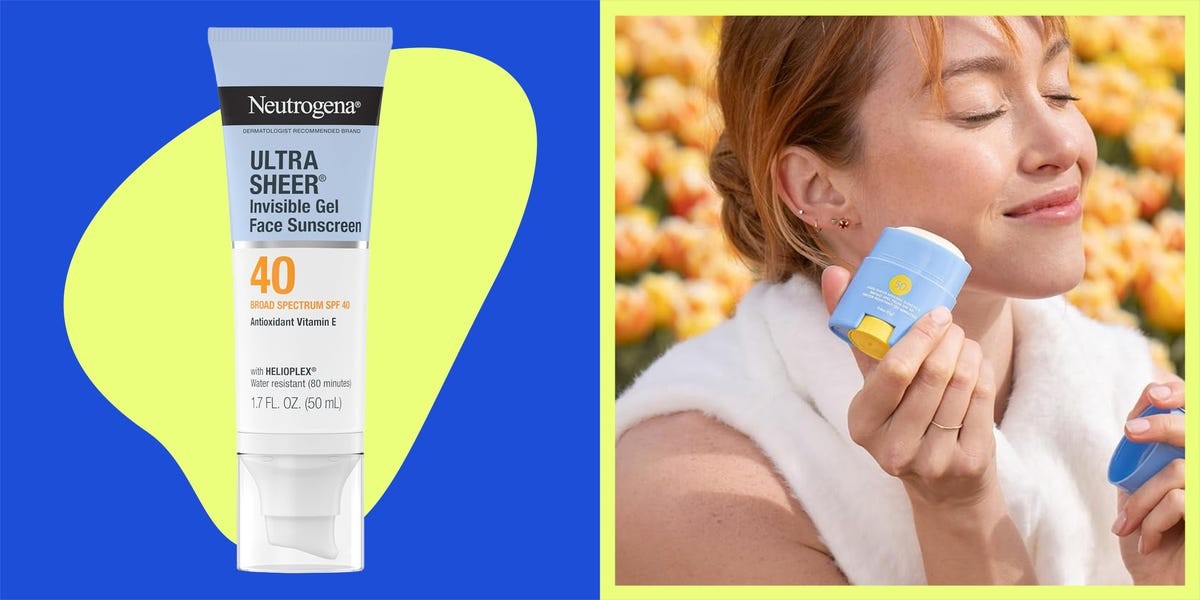
Despite common misconception, sunscreen is not just a summer necessity. Dermatologists emphasize that UV radiation persists even during colder months, making daily SPF application crucial for skin health and anti-aging.
Why Winter Sunscreen Matters
UV rays don’t disappear with the sun. Cumulative exposure, including winter sun, contributes to skin damage, premature aging, and the risk of skin cancer. Furthermore, snow significantly increases UV exposure through reflection, posing a higher risk for those spending time outdoors, especially at higher altitudes.
“Daily sunscreen use, regardless of the season, is vital for protecting skin from long-term damage,” explains Dr. Marisa Garshick, a board-certified dermatologist.
Choosing the Right Winter SPF
While any sunscreen can be used year-round, hydrating formulas are particularly beneficial in winter. Look for products containing ingredients like hyaluronic acid, glycerin, ceramides, or niacinamide to combat dryness. A well-formulated SPF should also integrate seamlessly into your existing skincare routine without causing pilling or irritation.
Dr. Dhaval Bhanusali, MD, FAAD, notes the shift in texture preference: “Warmer months call for lightweight formulas, while winter benefits from richer, more hydrating options.”
Dermatologist-Recommended Sunscreen Selection
Selecting a high-quality, broad-spectrum sunscreen is paramount. Look for formulas that layer well over moisturizers and other skincare products to encourage daily compliance. Options range from lightweight, easily absorbed lotions to creamier, more occlusive textures designed to lock in hydration.
Consistent, year-round sunscreen use is a non-negotiable step in effective skincare. Protecting your skin from UV damage in winter is just as important as in summer, ensuring long-term health and preventing premature aging.