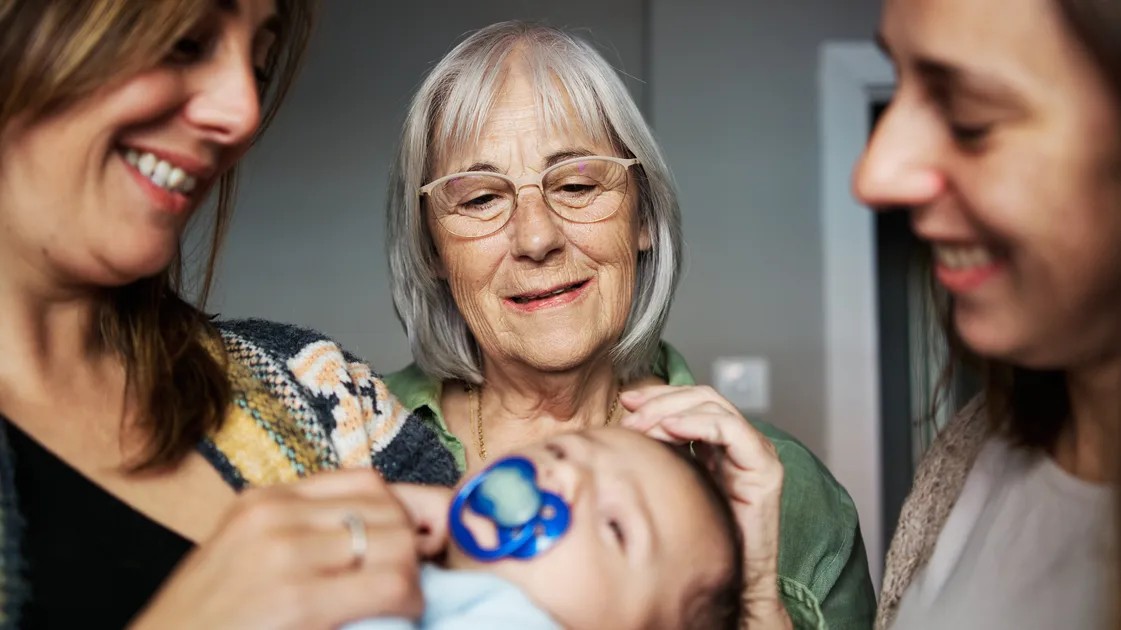
The way children are raised has always evolved, adapting to new research, cultural shifts, and even reactions against previous generations’ approaches. Today’s parents – primarily Millennials and older Gen Xers – tend to be more deliberate in their parenting than their own parents were, armed with unprecedented access to information and advice.
To understand this generational shift, we surveyed grandparents on their views of current parenting trends. Their responses reveal a mix of admiration, concern, and nostalgia. The key takeaway: while modern convenience and increased parental involvement are appreciated, some traditional values like discipline and basic manners seem to be slipping.
The Good: Increased Involvement and Modern Convenience
Grandparents overwhelmingly praised the heightened investment parents show in their children’s lives. One respondent, Anne W., stated, “My kids are so invested in their children it’s beautiful! They’re 100% better than I was.” This sentiment reflects a broader trend toward more conscious, engaged parenting.
Modern technology also receives high marks. Susan S. wryly notes, “Just wish Amazon was a thing back then. Delivery of diapers alone would have made me continually grateful.” The conveniences of modern life undeniably ease the burdens of parenthood, a luxury previous generations lacked.
Another positive trend is the increased participation of fathers. Angela A. observed that her daughter and son-in-law “successfully carry half the load.” This shift in gender roles within families is seen as a significant improvement by many grandparents.
The Concerns: Permissiveness, Manners, and Screen Time
Despite the praise, several grandparents voiced concerns about modern parenting practices. One respondent, Marny H., cautioned against confusing “gentle parenting” with mere permissiveness, arguing that “People who want to do gentle parenting should really educate themselves on how it works.” This highlights a fear that some parents may be overly lenient without understanding the underlying principles of effective discipline.
A common complaint revolves around declining manners. Ream J. noticed that “the majority of today’s children aren’t emotionally regulated enough to use passable manners in restaurants.” This raises questions about whether a focus on emotional expression has come at the cost of basic social etiquette.
Excessive screen time is another frequent worry. Susan F. bluntly stated, “Too much time spent on the friggin’ phone!” The omnipresence of digital devices and their potential impact on children’s development remains a concern for many.
A Call for Balance: Empathy, Patience, and Real-World Skills
Several grandparents expressed a desire for parents to strike a better balance between academic pressure and childhood freedom. Dawn J. argued that “the race to nowhere has made kids anxious.” She believes that over-scheduling and excessive preparation for the future rob children of their youth.
Eric R. warned against the erosion of essential life skills in a world increasingly dominated by technology: “In a world soon to be dominated by artificial intelligence… we need to step back to be able to teach patience and understanding.” His point underscores the importance of cultivating empathy, common sense, and creativity – qualities that machines cannot replace.
The Bottom Line
Grandparents see clear improvements in modern parenting – greater involvement, shared responsibility, and access to convenience. However, they also worry about declining discipline, manners, and an overemphasis on future success at the expense of present-day childhood. The generational divide suggests a need for balance: nurturing emotional well-being while upholding fundamental values of respect, responsibility, and real-world preparedness.