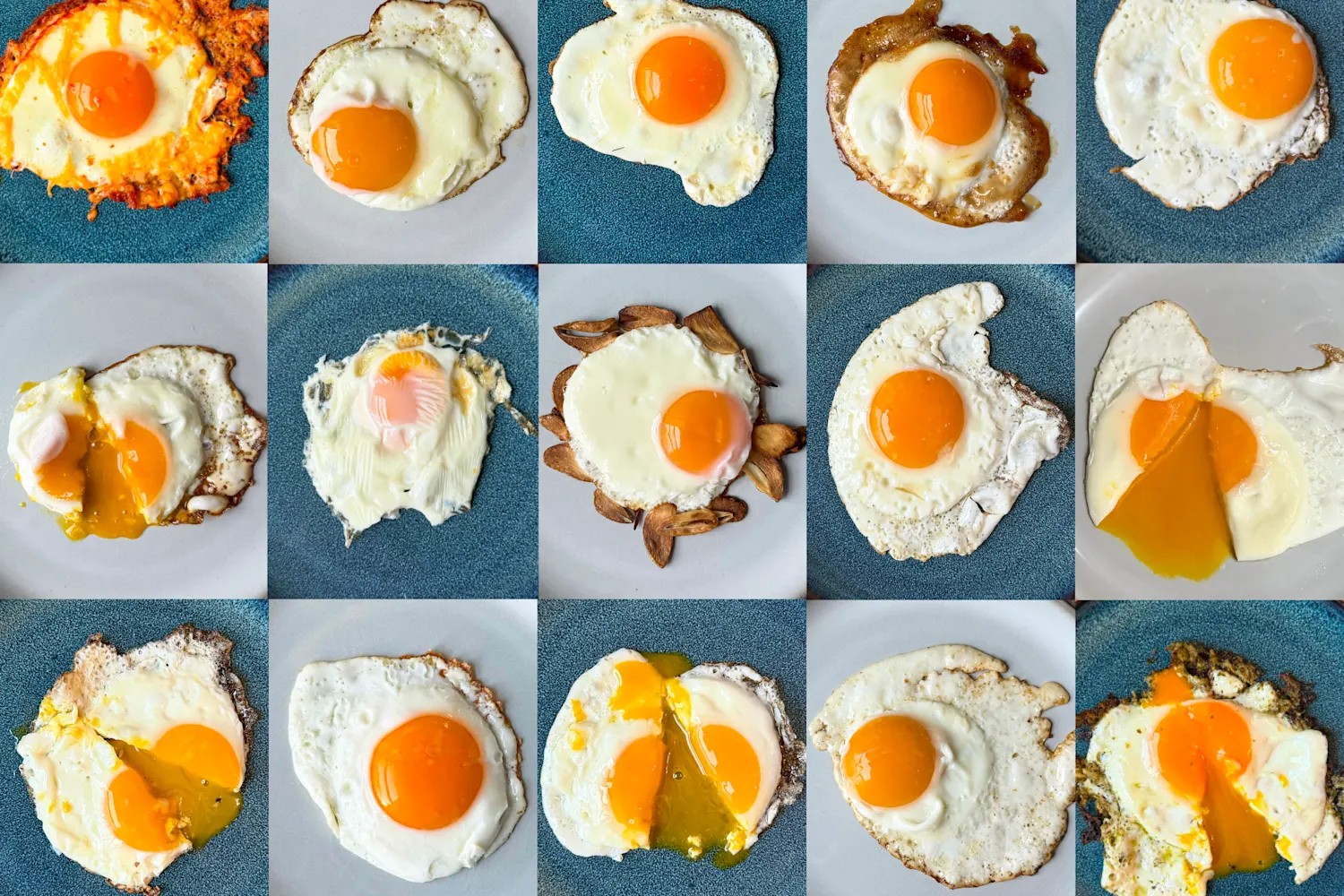
For many, the fried egg is a cornerstone of breakfast – a simple dish with deceptively complex execution. Achieving the perfect combination of runny yolk, set whites, and crispy edges can feel like an elusive goal. So, what separates a good fried egg from a truly great one? To find out, one dedicated food enthusiast spent a month frying an egg daily, rigorously testing various methods and ingredients. The results are surprising and offer actionable insights for anyone seeking egg-frying mastery.
The Methodology: Rigorous Testing for Optimal Results
The experiment wasn’t just about throwing eggs into pans. Consistency was key. Every egg used was a fresh, pasture-raised Vital Farms Large egg, seasoned lightly with salt. The tester systematically evaluated different fats, cookware, and techniques, meticulously documenting the results. Fifteen tests focused on fat selection, followed by eight on cookware and technique optimization, and finally seven on popular online recipes. Each method was scored based on browning, yolk runniness, and the overall texture of the whites.
The Winning Fats: From Classic to Unexpected
The most reliable fat for texture? Vegetable oil. Its high smoke point ensures even cooking without burning, resulting in crispy browned edges and a creamy yolk in just 2.5 minutes. For those prioritizing flavor, a combination of vegetable oil and butter is a game-changer. While it sacrifices some crispness, the caramelized butter solids impart a rich, almost cheese-like flavor. The biggest surprise? Beef tallow. Despite initial skepticism, tallow delivered a fast-food-like flavor with beautifully browned whites, though it comes with a higher price tag.
Speed and Texture: The Optimal Techniques
For speed, the basted method (spooning hot oil over the whites) proved effective, cooking an egg in just 1 minute and 30 seconds. But for textural perfection, a wok is king. The sloped sides create a concentrated pool of hot oil, resulting in a uniquely fluffy egg with an intensely crispy bottom.
Other Notable Findings
Beyond the winners, several other fats and methods yielded interesting results:
- Ghee: A solid performer with a toasty flavor, though it took longer to cook.
- Coconut Oil: Surprisingly effective, delivering a mild flavor without overpowering the egg.
- Bacon Fat: A smoky, salty delight… if you don’t mind the sputtering oil.
- Cast Iron: Requires proper seasoning but produces consistently crispy edges.
- Cream: Creates a fragrant egg with browned milk solids, but takes 4 minutes.
Several methods were outright failures: cooking spray (too greasy), toasted sesame oil (burnt flavor), and starting in a cold pan (unimpressive texture).
The Bottom Line: Mastering the Fried Egg
After 30 days of frying, the clear takeaway is that the perfect egg isn’t about luck; it’s about informed technique. Whether you prioritize speed, flavor, or texture, this experiment proves that with the right approach, anyone can consistently fry an exceptional egg. Vegetable oil is your go-to for consistency, while the butter/oil combo elevates the flavor profile. Don’t underestimate the power of beef tallow either – it’s a surprisingly delicious option.
Ultimately, the best fried egg is the one you enjoy most, but now you have the data to make an informed decision.