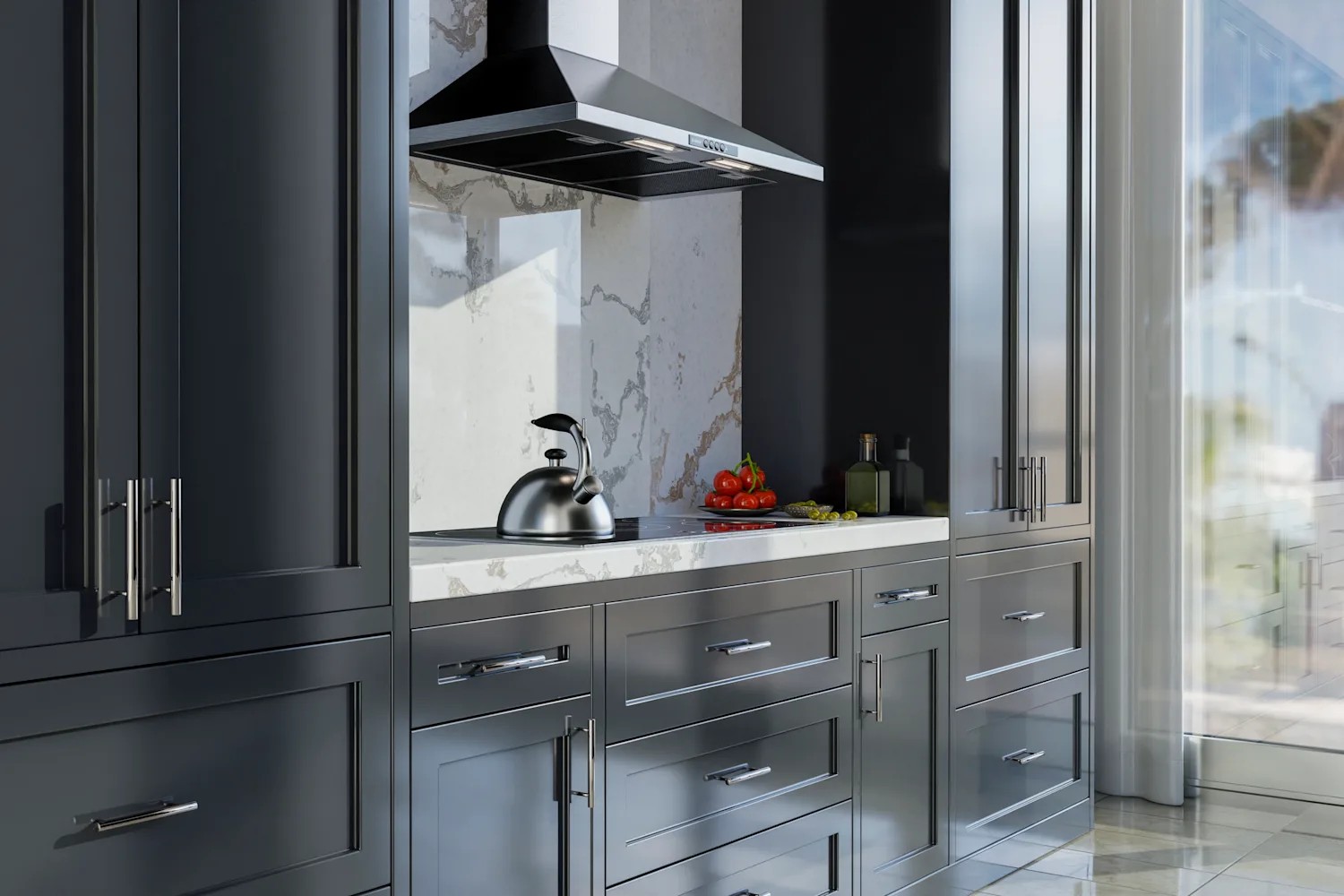
Choosing the right kitchen color is more than just aesthetics; it directly impacts your emotional well-being. Recent research from Better Homes & Gardens Real Estate confirms that wall color significantly influences how people feel in a home – and kitchens, as the central hub, are particularly influential. Experts agree: poor color choices can create stress, restlessness, or even a sense of claustrophobia.
So, which colors should you avoid? Professionals in home design and restaurant interiors have identified several hues that consistently underperform.
The Colors to Skip:
- Dark Brown: While it may seem inviting, dark brown absorbs light, making kitchens feel smaller and cave-like.
- Pure Black: Equally unforgiving, black exacerbates the feeling of confinement and relentlessly shows dust and smudges.
- Stark White: Counterintuitively, pure white isn’t a safe bet. It highlights every stain, splatter, and fingerprint, demanding constant cleaning.
- Cherry Red: Once popular, this bold hue now registers as visually exhausting. The constant stimulation creates restlessness and tension, according to color psychology experts.
- Neon Colors: Electric lime, hot pink, or fluorescent orange may trend on social media but overwhelm a real-life kitchen. These high-energy shades quickly become dated.
Why This Matters:
The human response to color is deeply rooted in psychology. Brightness, saturation, and hue trigger emotional reactions that can either enhance or detract from a space. A kitchen designed with mood-draining colors won’t just look bad; it will make cooking and gathering feel less pleasant.
What to Paint Instead:
The consensus among designers is clear: lean toward earth tones and soft neutrals.
- Sage Green: Uplifting without being demanding, it’s incredibly forgiving of marks and wear.
- Grays: A versatile choice that adds sophistication without harshness.
- Creamy Off-Whites: Soothing and easy to live with, providing a neutral backdrop.
- Peaceful Blues: Proven to evoke serenity and optimism, as shown in recent studies.
Balancing Color and Materials:
The best kitchen palettes aren’t just about paint. Designers emphasize combining colors with natural materials like wood, metal, and tile. For example, pairing a soft British racing green with stainless steel creates balance, while touches of brass add warmth without overwhelming the space.
Ultimately, the right kitchen color scheme is harmonious, not draining. Focus on shades that uplift your mood and blend seamlessly with the space’s function.
“The key is subtlety. Colors that lift moods work best when they’re gentle rather than declarative.” — Chris Demant, founder and CEO at Grills by Demant.
The most successful kitchen designs aren’t just visually appealing; they’re also psychologically comfortable. Choose wisely, and your kitchen will be a place you enjoy spending time in, not one that leaves you feeling drained.