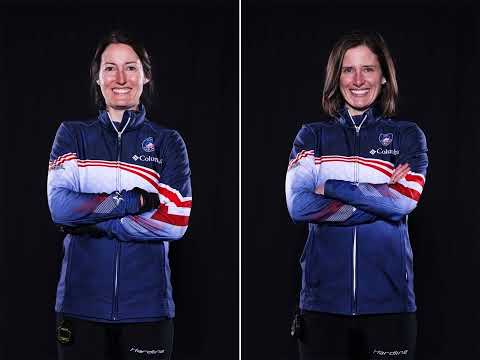
The 2026 Winter Olympics in Milan will mark a significant shift for Team USA’s curling sisters, Tara and Tabitha Peterson. Unlike the heavily restricted 2022 Beijing Games, this competition promises a full stadium and a return to normalcy. However, the biggest change isn’t just the atmosphere; both athletes are now mothers, bringing a fresh perspective to elite sports.
A New Perspective on Competition
Tara Peterson, a three-time Olympian, emphasizes the shift in mindset: “The whole perspective of being a mother…makes us play more loose.” The pressure to succeed feels less absolute when there’s a baby waiting at home. This newfound resilience allows them to compete with less anxiety, focusing on performance rather than solely on the podium.
The sisters deliberately timed their pregnancies to coincide with the curling season, prioritizing family closeness. “We wanted to have babies at the same time just for the rest of their lives, for growing up and being close,” Tara explains. This intentional planning demonstrates a commitment to both athletic excellence and maternal bonds.
Postpartum Recovery and Training
Returning to high-level competition after childbirth presented physical challenges. Tabitha Peterson, 36, recalls her first game at seven weeks postpartum: “My knees were sore…all my joints were just loose.” The hormone relaxin, crucial during pregnancy, made recovery difficult. Despite this, both sisters adapted, balancing breastfeeding with demanding training schedules.
Their curling workouts involve full-body strength training, including squats and bicep curls, complemented by cardio and core work. The sisters maintained this regimen throughout their pregnancies, showcasing dedication to both fitness and motherhood.
Long-Term Dedication to the Sport
The Peterson sisters’ journey in curling began in childhood, encouraged by their parents’ friends. They initially dabbled in other sports—gymnastics, figure skating, golf, soccer—before committing to curling. Their persistence highlights a long-term dedication forged over years of training.
Now, they’ve discovered the joys of parenting alongside their athletic careers. Tabitha’s 14-month-old daughter, Noelle, is already mimicking her mother’s movements, while Tara’s son is rapidly expanding his vocabulary through sign language. The sisters acknowledge that maintaining this balance requires support: full-time childcare for Tara and flexible work schedules for Tabitha, supplemented by family assistance.
The Influence of Supportive Parents
The sisters attribute their success to their active, encouraging parents, who instilled the value of sports in their upbringing. They intend to pass on this legacy to their own children, believing in the benefits of athletic engagement for young development.
Tabitha recently experienced the unique joy of hearing her daughter’s voice from the stands during a tournament. “It just kind of reminded me, like, yeah, I’m playing this sport, and I’m playing it at a high level, but my baby’s sitting up there. And that’s pretty darn cool.”
The Peterson sisters embody a modern paradigm: balancing elite athletic competition with the demanding yet fulfilling role of motherhood. Their story demonstrates that success doesn’t require sacrificing personal life; instead, it can be enhanced by embracing it.