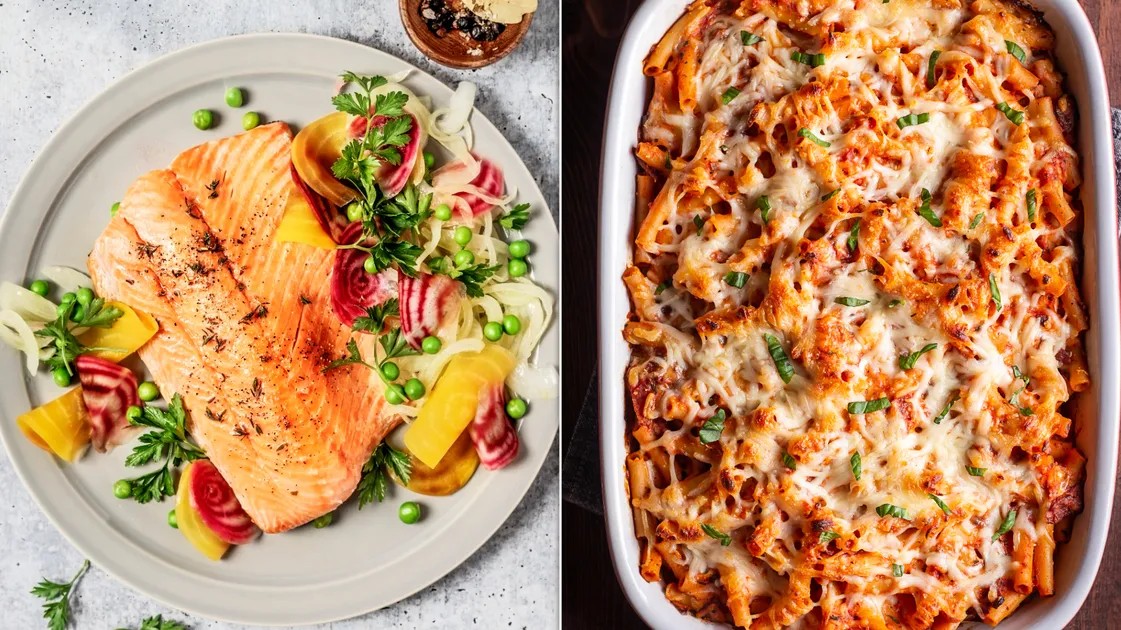
Deciding what to cook every night is exhausting. For families especially, the mental load can be overwhelming. But there’s a solution: theme nights.
Recipe developer Amy Palanjian of Yummy Toddler Food streamlined her family’s dinners by assigning a category to each day. Her household follows this schedule: Sundays are for soup, Mondays for pasta, Tuesdays for quesadillas or burritos, Wednesdays for chicken, Thursdays for freezer meals, Fridays for pizza, and Saturdays for fridge-cleanout dinners.
This system doesn’t restrict creativity, but focuses it. As Palanjian explains, “I always have a starting place, which means I go into dinner planning with my options already narrowed.” It also builds predictability for kids while allowing flexibility based on ingredients, sales, or personal cravings.
Palanjian adopted this framework in 2019 after her third child was born, inspired by a daycare’s similar menu rotation. She observed that structured meals increased food variety without rigidity. By designating “pasta” for Mondays, she could choose the type of pasta and sauce based on season, groceries, or simply her energy level.
The approach is adaptable. Summer might mean grilling instead of soup on Sundays. It’s about reducing decision fatigue, not enforcing strict rules.
Instagram influencer Lindsay Taylor (@the.food.doula) recently tested this method and found it less stressful and time-consuming. She assigns proteins to each day (salmon, chicken, steak, etc.) and preps them when she has time, letting the rest of the meal come together based on available ingredients. Taylor even uses themes to prioritize certain foods, like “plant protein night” for more lentils and beans.
Registered dietitian Maya Feller of Maya Feller Nutrition agrees that this structure can reduce decision fatigue while promoting variety. “It allows the home cook to have variety within the category,” she notes, pointing out that pizza can be homemade or frozen, and pasta can include any vegetable or protein.
The key is choosing themes your household enjoys. If someone dislikes soup, don’t force a soup night. Shortcuts are also welcome: breakfast for dinner, sandwiches, takeout, or snack plates. The goal is to lighten the mental load, not create more work.
Repetition is perfectly normal. If Monday is curry night, making the same recipe weekly is fine. Small changes—serving it with quinoa instead of rice, or a different protein—keep things interesting without demanding excessive effort.
Ultimately, this meal-planning framework isn’t about perfection; it’s about creating a manageable system that reduces stress and makes dinner time more enjoyable for everyone involved.