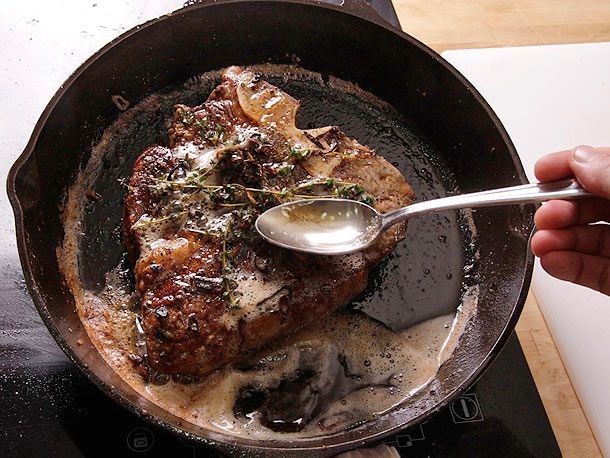
The world of cast iron cookware is full of debates – the best oils, seasoning methods, and cleaning techniques. Yet, one fundamental step is often overlooked: thorough preheating. Whether you’re a seasoned chef or a beginner, mastering this simple habit will dramatically improve your results.
Why Cast Iron Needs Proper Heat-Up
Cast iron is renowned for its heat retention, but it’s a poor conductor. This means heat doesn’t spread quickly or evenly across the surface. A cold or unevenly heated pan leads to sticking, pale searing, and inconsistent cooking. This isn’t about fancy seasoning; it’s about basic physics.
The problem: cast iron takes time to heat evenly. If you rush the process, you end up with a scorching center and cool edges, ruining your food before it even hits the pan.
The Two-Step Preheat Method
There are two main ways to preheat cast iron effectively: on the stovetop or in the oven.
Stovetop Preheating
- Heat dry: Place the empty skillet over medium heat. A burner matching the pan’s size is ideal; otherwise, rotate the skillet for even heating.
- Wait: Allow 3–5 minutes for the pan to come up to temperature. Add oil only when the pan is hot enough to make it shimmer or just start smoking.
For delicate tasks like sautéing, aim for around 400°F. For searing, push closer to 500°F.
Oven Preheating
This method delivers the most even, intense heat:
- Cold start: Place the empty cast iron skillet in a cold oven.
- High heat: Turn the oven to 500°F.
- Remove carefully: Once heated, carefully remove the skillet (it will be extremely hot) and place it on the stovetop. Add oil, which should smoke almost immediately.
Common Mistakes and How to Avoid Them
Even experienced cooks make mistakes. Avoid these:
- Rushing the heat: High heat doesn’t equal faster heating. It creates hot spots.
- Adding oil too soon: Oil will burn before the pan is evenly heated.
- Underestimating the wait: 3 minutes feels long, but it’s essential.
- Using the wrong burner: A small burner won’t heat the whole pan.
The Bottom Line
Seasoning, cleaning, and oiling are important, but they’re secondary to proper preheating. A perfectly seasoned pan is useless if it’s not hot enough. Mastering this technique transforms cast iron from a frustrating mess into the reliable workhorse it’s meant to be—delivering crisp sears, non-stick surfaces, and evenly cooked meals.