


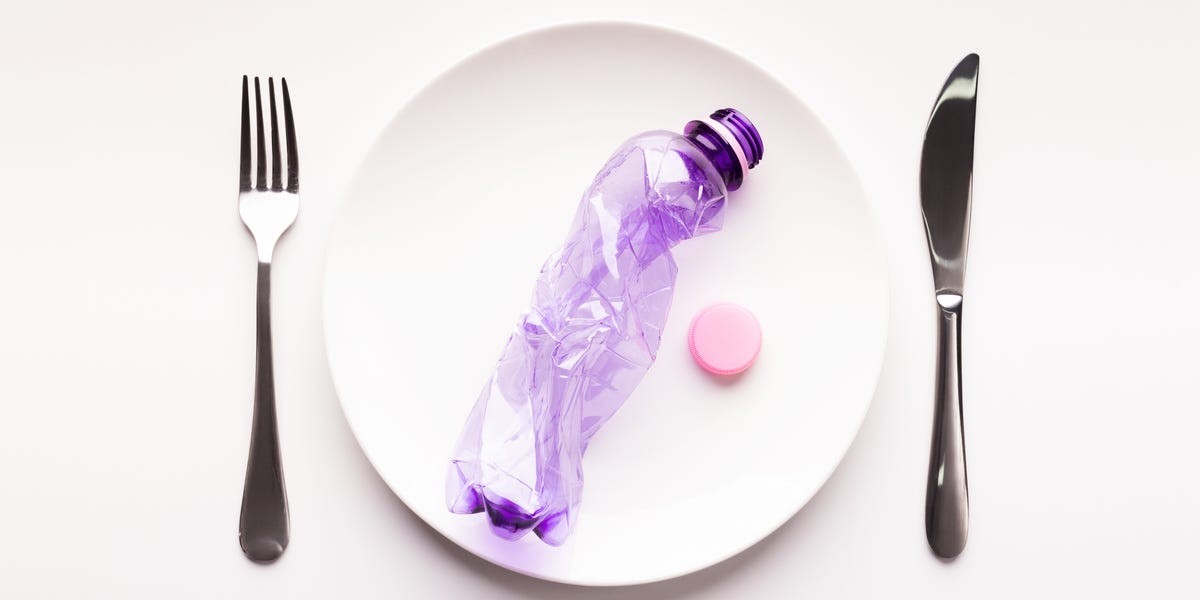
Recent research indicates that a key component of kimchi, the traditional Korean fermented cabbage dish, could potentially help the body eliminate nanoplastics. While the full impact of microplastics on human health remains under investigation, studies now show these particles can accumulate in organs like the brain and may contribute to inflammation and other health problems. Smaller nanoplastics are of particular concern, as their size allows them to penetrate cells more easily.
A study published in Bioresource Technology examined the effects of lactic acid bacteria (specifically Leuconostoc mesenteroides ), extracted from kimchi, on mice. Researchers found that mice treated with this bacterium excreted roughly twice the amount of nanoplastics compared to untreated mice, suggesting the bacteria bind to the plastics in the gut and facilitate their removal through feces. The findings propose kimchi-derived bacteria as a “promising microbial biosorbent” for microplastic elimination.
Funding and Study Limitations
It’s important to note that the study received partial funding from the World Institute of Kimchi, an organization dedicated to kimchi research and promotion. Additionally, the study focused on mice rather than humans, and the animals were given isolated bacteria rather than consuming whole kimchi. Experts emphasize that this is preliminary research.
How Kimchi May Work
Jamie Alan, PhD, an associate professor of pharmacology and toxicology at Michigan State University, explains that the lactic acid bacteria in kimchi appear to “grab” microplastics in the intestines, preventing their absorption into the body. This mechanism is similar to how soluble fiber binds to cholesterol for elimination. Saira Shahab, MD, an internal medicine physician, adds that the probiotics in kimchi may also support gut barrier function, further reducing plastic absorption.
Benefits and Risks of Kimchi Consumption
Kimchi offers several health benefits, including support for the gut microbiome, vitamins, fiber, and antioxidants. However, it’s also high in sodium, which can contribute to high blood pressure if consumed in excess. Jessica Cording, RD, recommends moderation, cautioning against excessive intake due to potential bloating and links to gastric cancer in high amounts.
Future Research and Alternatives
Researchers suggest that lactic acid bacteria may be present in other fermented foods like sauerkraut, yogurt, kefir, and miso, but further studies are needed to determine if these alternatives offer similar benefits. For now, the findings offer a potential reason for kimchi lovers to enjoy an extra helping while scientists continue investigating this emerging area of research.
While promising, these findings are still preliminary. More studies, particularly human trials, are needed to confirm whether kimchi or its extracted bacteria can effectively reduce microplastic exposure in the long term.


