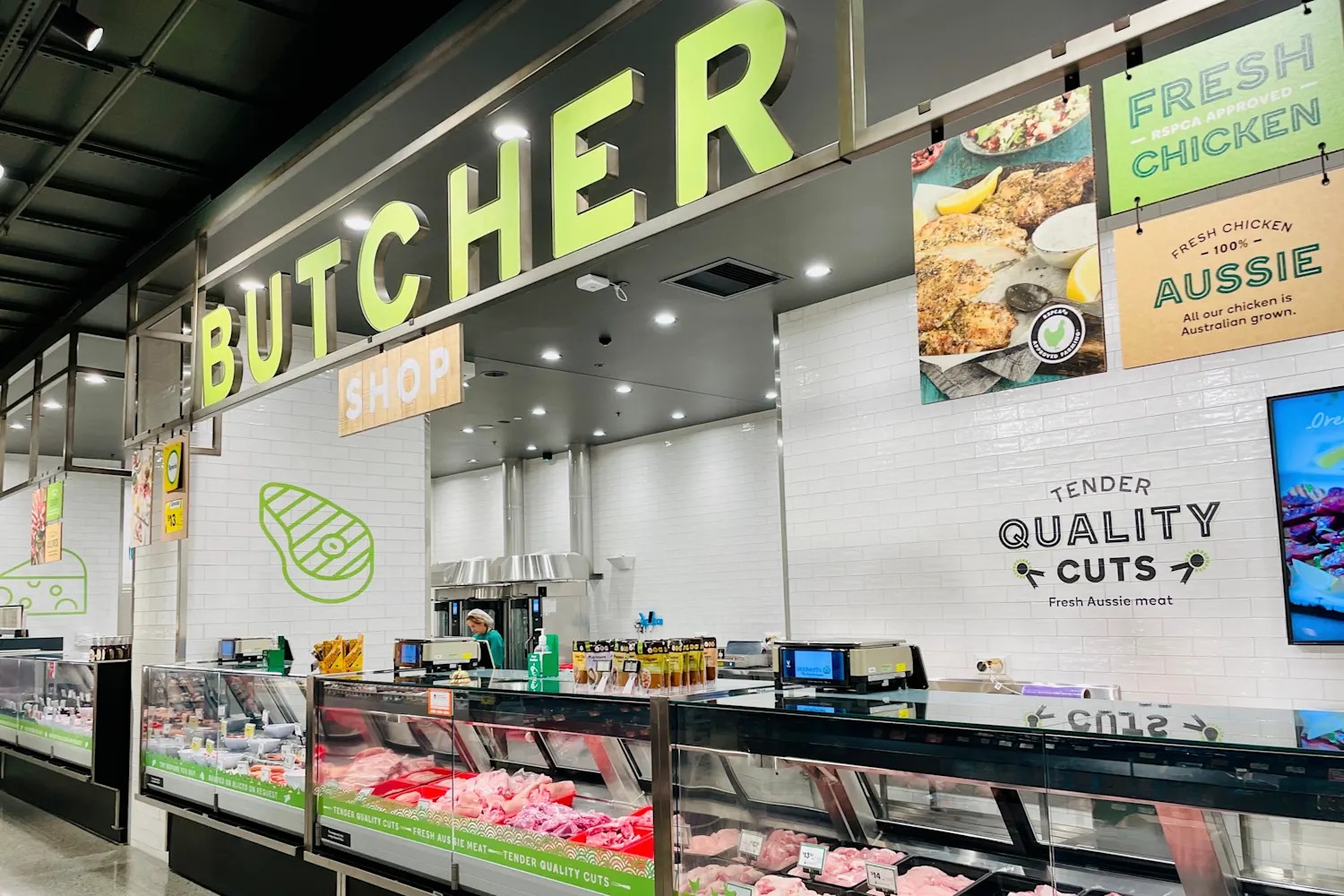
Navigating the meat counter can be overwhelming. While selecting chicken is straightforward, purchasing beef involves a complex matrix of cuts, grades, breeds, and processing methods. Because steak is often a premium purchase—frequently tied to special occasions or culinary ambitions—the margin for error is slim. To cut through the noise, we consulted executive chefs and cattle ranchers to identify the single most critical question shoppers should ask a butcher.
Their answer was unanimous: Ask where the beef comes from.
Why Proximity Matters
The logic behind this question is rooted in supply chain transparency and quality control. A shorter journey from pasture to plate typically means fewer intermediaries handling the meat, which preserves freshness and integrity.
Jeb Aldrich, executive chef at Cataloochee Ranch, admits that sourcing local beef can be difficult, but insists it is “definitely worth searching for.” Similarly, Brent Ross, executive chef of McKendrick’s Steak House, emphasizes that avoiding the variability of distant supply chains is essential for maintaining the consistent quality required by serious steak houses.
The Trust Indicator
Beyond logistics, this question serves as a litmus test for the butcher’s expertise and honesty. Alex Scher, founder of Stone Mountain Cattle—a rancher supplying high-end restaurants—notes that a butcher who can confidently answer this question is one you can trust.
“Everything else — the cut, the grade, the aging — flows downstream from that one answer,” Scher explains.
Knowing the origin allows you to naturally segue into more specific inquiries about how the animal was raised, processed, and aged. It transforms a transactional interaction into a dialogue about quality.
Diet and Raising Practices Define Quality
Once the origin is established, the conversation naturally shifts to the animal’s life cycle. The way cattle are raised directly impacts the final product on your plate.
Joseph, a culinary expert cited in the discussion, points out that grass-fed meats often align with more natural and sustainable farming practices. Scher expands on this, highlighting that regenerative agriculture benefits not just the environment, but the eating experience itself. Soil health and animal stress levels are tangible factors that “end up on the plate,” influencing flavor and texture.
Sebastian Vargas, co-founder and executive chef of the Michelin-recognized Grassfed Culture Hospitality, summarizes the impact comprehensively:
“Its diet, how it was raised, and how it was ultimately slaughtered — those factors define everything. They shape the texture, the color, the flavor, the quality of the fat, even the anatomy of the animal itself.”
Conclusion
Buying beef is less about memorizing complex grading systems and more about understanding the story behind the meat. By asking where the beef comes from, you unlock a deeper understanding of its quality, sustainability, and flavor profile. This single question empowers shoppers to make informed decisions that ensure a superior dining experience.