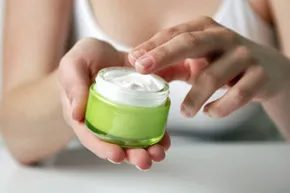
People are chaotic. We have different sizes, weights, skin colors and genetic makeup. Your skin needs are as unique as your fingerprints. Moisturizers should help. They replenish lipids and fatty substances lost by the skin. But there’s one nagging question that keeps coming up on beauty forums and dermatologists’ offices: is too much moisturizer really damaging your skin?
The short answer is no. Not because of the amount you use. But because when and how you use it.
There is no clear empirical data to show that slathering on extra lotion is harmful. However, your skin is not a passive sponge. It is the largest organ in your human body. It breathes. It works. And like any organ, its biological behavior can be disrupted if you treat it like plastic wrap.
Why timing is more important than quantity
Think about your skin at night. When you’re lying in bed, your skin is working at full speed. It rejuvenates itself more aggressively than during the day. Some doctors argue that this makes nighttime the perfect time to apply moisturizer, especially to ensure hydration after a shower.
But here’s the catch. Using a thick, heavy cream under nightwear may make you feel more comfortable. They can also be messy. These thicker varieties can stick to your fine clothes if you’re not careful. More importantly, some natural skin care advocates claim that using heavy moisturizers at night can disrupt your skin’s natural cycle. They claim it can actually make your skin drier in the long run.
It’s less about the amount of product. It’s all about timing. Applying lotion to dry, parched skin is like trying to fix a leak by pouring water on dry wood. It doesn’t work.
The right way to moisturize your skin
Many people believe that you should only use moisturizer if you have xerosis – the medical term for dry, scaly skin. This is a mistake. If your skin feels rough, you’ve already lost a lot of moisture. You are reacting to damage, not preventing it.
The ideal time to apply moisturizer is right after drying off after a bath or shower. Your skin is rehydrated. It is in the ideal state to seal that water in. If you wait ten minutes, the water will evaporate. You lost the battle before it started.
Several factors are cause this dryness. Dry air. Long, hot showers. Harsh soaps. Itchy synthetic clothes. Even medication side effects. If ignored, extreme xerosis can lead to dermatitis. This is a skin irritation. It is itchy. It’s uncomfortable.
Choose a product suitable for your skin type
Not all moisturizers are created equal. And they don’t all react the same way to your body.
Natural oils often work best for people with normal skin. Look for ingredients like almond, sunflower, soybean or olive oil. Jojoba extracts are also a good choice. These mimic the skin’s natural sebum.
If you have very dry skin, you may need a thicker, more occlusive moisturizer. Thicker doesn’t always mean better, but it often means more protection for a weakened skin barrier.
Sensitive skin requires a different approach. Avoid perfumes. Avoid synthetic chemicals. Avoid strong soaps and body washes containing fragrances. These are common irritants. They strip the skin. They evoke reactions.
Moisturizers vs. Hydrators
Do not confuse moisturizers with hydrators. They sound the same. They are not.
Hydrators replenish water in your skin. They do not contain the same oils as traditional moisturizers. Moisturizers lock in water.
Moisturizers can also be used for medicinal purposes. They are a well-known remedy for contact dermatitis. This is a condition where the skin becomes inflamed or damaged due to an adverse reaction to a substance it comes into contact with. Common culprits? Watch strap material. Nickel in jewelry. Cleaning products. In some cases, doctors recommend special moisturizers to combat the effects of mild dermatitis.
So, moisturizing is good. It serves several purposes. But you have to do it right. Experiment. Find the right one for your skin. Don’t wait until your skin flakes and cracks. Wash. Rehydrate. Then moisturize.
Skin cancer connection
This is where things get complicated. And controversial.
A recent study by doctors at the Rutgers University School of Pharmacy in Piscataway, New Jersey found that moisturizers can accelerate the development of skin cancer.
The researchers exposed a group of hairless mice to ultraviolet light twice a day for twenty weeks. This simulates a person’s daily exposure to sunlight. They tested four different creams.
The results were abysmal. In mice treated with one of the creams, the incidence of cancer was 79-90 percent.
But pause. Don’t panic. Do not throw away your cream.
It is important to understand that this test cannot be applied directly to humans. Mice are not people. Your skin’s biology is different. Your reaction to UV radiation varies. The research is a warning. Not a verdict.
Still, it raises a question we don’t have a simple answer to: Are we protecting our skin while inadvertently exposing it to other risks? Science continues to change. The advice is still practical, but the underlying biology is messy. You have to decide how much risk you want to take with each layer you put on your body.
The shelves are full. This is the reality today when you walk into a beauty sleep aisle. There are endless possibilities ahead of you, each promising a different miracle. How do you actually choose the right one? It starts with understanding the specific needs of your skin.
Dry skin is more than just a feeling of tightness. It may look dull or flaky. If this sounds familiar, you probably need something richer. Look for creams with hyaluronic acid or ceramides. These help retain moisture in your skin. A light cream may evaporate too quickly for you.
Products suitable for your age group
Your skin changes with age. What worked in your twenties may not be enough now.
Fine lines can be seen in thirties and forties. Maybe you want a moisturizer with anti-aging properties. Ingredients like retinol or peptides can help. But be careful. Start slowly. Your skin needs time to adapt.
When you reach 50 years old, the skin tends to lose more elasticity and oiliness. Heavier creams are often better. They form a barrier that your skin can no longer build on its own. Don’t be afraid of texture. If it feels thick, it might be doing the job it was designed to do.
Common skin problems and solutions
Not all dryness are the same. Sometimes what feels dry is actually contact dermatitis. This is an allergic reaction or irritation. If your skin is red, itchy or burning, stop using the product. It may react to a fragrance or a preservative.
In other cases it is just xerosis. This is the medical term for dry skin. It can be caused by the weather, harsh soaps or even hot showers. If you shower daily, consider using a gentle, soap-free cleanser. Hot water removes natural oils. Lukewarm is better for skin protection.
Sleep connection
We often forget beauty sleep. Your skin repairs itself while you rest. Lack of sleep can make dryness worse. It can also make you look tired and dull. Make sure you get enough rest. It’s free and it works.
Safety above all
Are your moisturizers safe? This is a valid concern. Some people are concerned about the chemicals in their products. Look for brands with transparent ingredients. If you have sensitive skin, test new products beforehand. Apply a small amount behind the ear or on the inside of the arm. Wait 24 hours. If there’s no reaction, you’re probably good to go.
Create a routine
You don’t need ten steps. You need consistency.
- Clean gently.
- Apply moisturizer to damp skin. This traps water.
- Use sunscreen during the day. This prevents further damage.
That’s it. Simply. Effective.
The most important thing is to listen to your skin. It tells you when it’s happy. It complains when it doesn’t. Adjust your routine as needed. Seasons change. Your skin’s needs may also change.
There is no single perfect product. It’s just what works for you. Keep trying. Keep adapting. Your skin will thank you.