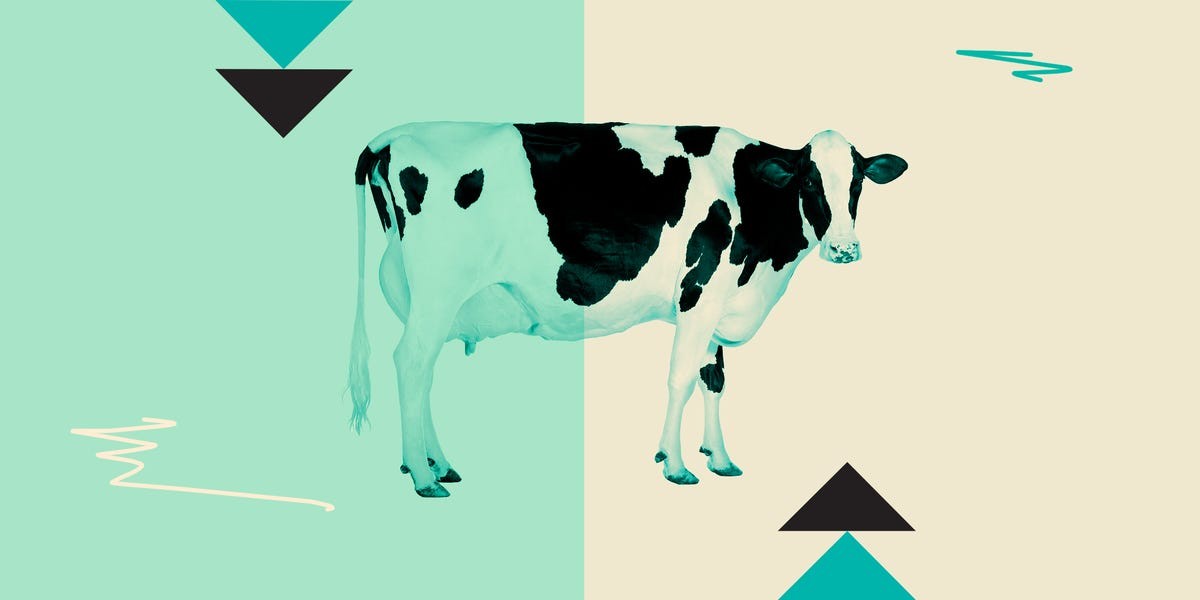
For decades, pasteurized milk has been the undisputed standard for dairy consumption in the United States. However, a significant political and cultural shift is underway. More than 40 legislative bills across 18 states are currently pushing to make raw milk more accessible, aiming to move the product from niche farm stands into mainstream grocery stores and farmers’ markets.
This legislative surge coincides with heightened public interest, fueled by social media claims regarding the health benefits of unpasteurized dairy. The movement has gained high-profile support, including from former U.S. Health and Human Services Secretary Robert F. Kennedy Jr., who previously characterized the FDA’s restrictions on raw milk as “aggressive suppression.”
While proponents frame this as a victory for consumer choice and natural living, public health experts warn that expanding access to raw milk poses significant risks not only to individual consumers but to the broader framework of food safety regulation.
What Is Raw Milk, and Why Is It Controversial?
To understand the debate, it is essential to distinguish between raw and pasteurized milk. Pasteurization is a process that heats milk to a specific temperature for a set duration to kill harmful bacteria and viruses. It is widely regarded by scientists as one of the most critical public health advancements of the last century, transforming milk from a frequent source of disease into a safe staple for families.
Raw milk is milk that has not undergone this heat treatment.
Proponents of raw milk argue that pasteurization destroys beneficial nutrients and enzymes. However, scientific consensus contradicts this claim. According to Ellen Shumaker, PhD, a food safety expert at North Carolina State University, there is no data supporting the idea that raw milk offers superior nutritional value. The Centers for Disease Control and Prevention (CDC) confirms that pasteurized milk retains the same nutritional benefits as raw milk, minus the risk of pathogen exposure.
Darin Detwiler, a professor at Northeastern University and author of Food Safety: Past, Present, and Predictions, explains that the appeal of raw milk is often psychological rather than physiological. Consumers frequently equate “raw” with “natural” and “healthy,” viewing it as less processed and closer to the source.
“Pasteurization is the seatbelt of dairy. We don’t skip seatbelts because driving feels more ‘natural’ without them,” Detwiler notes.
The Hidden Dangers of Unpasteurized Dairy
The primary concern with raw milk is the presence of dangerous pathogens, including E. coli, Salmonella, Campylobacter, and Listeria. Contamination can occur directly from the animal, during the milking process, or through environmental exposure.
These are not minor health inconveniences. Infections from raw milk can lead to severe dehydration, kidney failure, miscarriage, stillbirth, and long-term neurological complications such as Guillain-Barré syndrome.
Amesh A. Adalja, MD, a senior scholar at the Johns Hopkins Center for Health Security, highlights the particular danger to vulnerable populations. Listeria infections can be devastating for pregnant women, while Campylobacter —which can proliferate in unpasteurized milk—can trigger Guillain-Barré syndrome, a serious autoimmune condition affecting the nervous system.
The risks are not theoretical. Recent outbreaks, such as one linked to raw cheddar cheese and milk sold by Raw Farm, LLC, have resulted in hospitalizations. Detwiler points out that despite being consumed by a relatively small portion of the population, raw milk is responsible for a disproportionate number of dairy-related illness outbreaks.
From Margins to Mainstream: The Legislative Shift
Raw milk itself is not new; it has long been available through direct farm sales or “herd share” agreements. What is new is the concerted political effort to normalize its sale in conventional retail environments.
Tony Yang, DSc, MPH, a professor at George Washington University, describes this trend as “deregulation with a wellness label.” He argues that raw milk is being reframed from a preventable food-safety hazard into a symbol of personal freedom and distrust of public health authorities.
Current legislation aims to:
* Legalize sales in farmers’ markets and grocery stores.
* Allow interstate transport of raw milk where it is legal.
* Reduce regulatory barriers that currently limit distribution.
Yang warns that while legalization changes the “denominator” of consumption, it does not change the inherent risk of the product. “If more people drink it more often, rare events stop being rare,” he explains. Furthermore, when risky products appear in standard retail spaces, consumers often mistakenly assume they have been vetted for safety by regulatory bodies.
The Broader Implications for Food Safety
The debate over raw milk extends beyond dairy consumption. Experts warn that the legislative strategy used to promote raw milk could set a dangerous precedent for other food safety regulations.
Yang identifies a potential “slippery slope”: taking products with known risks, wrapping them in the language of “choice” and “natural health,” adding warning labels, and arguing for reduced government oversight. This approach treats preventable foodborne illness as a matter of lifestyle preference rather than a public health priority.
Detwiler emphasizes that expanding access to a higher-risk product without robust safeguards is not innovation, but regression. The personal stakes are high for many experts. Detwiler’s own toddler son, Riley, died in 1993 from an E. coli outbreak linked to contaminated hamburgers. Although Riley had not eaten the meat, he contracted the bacteria through person-to-person transmission at daycare, illustrating how foodborne pathogens can spread beyond the initial consumer.
Conclusion
The push to legalize and normalize raw milk represents a clash between consumer autonomy and public health science. While advocates champion the right to choose “natural” products, experts warn that removing barriers to raw milk access increases the likelihood of severe illness outbreaks. More critically, this trend may undermine established food safety protocols, potentially weakening protections for other high-risk foods in the future.