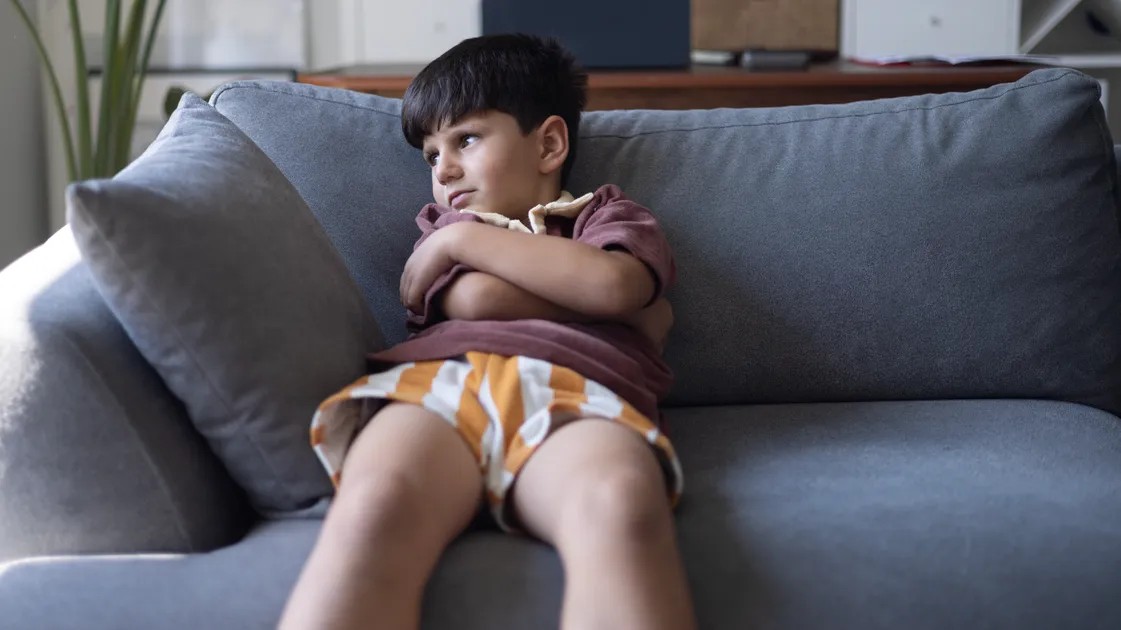
Bullying is often viewed through a moral lens—a clear-cut distinction between the “good” victim and the “bad” aggressor. However, clinical evidence suggests a more complex reality: bullying is frequently a symptom of internal distress, not just inherent malice.
While up to 20% of students engage in bullying behaviors between elementary and high school, the consequences extend far beyond the playground. Research published in the American Journal of Public Health indicates that both bullies and victims face elevated risks of mental health struggles, academic difficulties, and social adjustment issues later in life. For parents, discovering their child is a bully can be destabilizing, raising urgent questions about family dynamics and upbringing.
Experts emphasize that understanding the psychological drivers behind aggression is the first step toward prevention. Often, behaviors perceived as dominance are actually desperate attempts to manage insecurity, powerlessness, or emotional dysregulation.
The Cycle of Invalidation and Powerlessness
At the core of many bullying incidents lies a profound sense of insecurity. Clinical psychologist Amber Thornton explains that children often bully to regain a sense of control they feel they lack in other areas of their lives.
“When children feel insecure or doubtful of themselves, they may take out their anger or upset feelings on another child to help themselves feel better,” Thornton notes. “Bullying can also happen when children themselves have been bullied or belittled.”
This dynamic is often fueled by parenting habits that unintentionally invalidate a child’s emotional experience. When parents dismiss feelings, employ harsh criticism, or use punitive measures, they risk making a child feel invisible and powerless. In an attempt to reclaim agency, the child may seek power elsewhere—often by dominating peers.
Key Insight: Bullying is frequently a compensatory mechanism. A child who feels small and unheard at home may act “big” and aggressive at school to feel valued and powerful.
Even well-intentioned humor can contribute to this cycle. Comments couched in “just kidding” or sarcasm can erode a child’s sense of safety and worth. Thornton warns that parental exhaustion or poor emotional regulation can lead to chronic invalidation, placing children at higher risk for adverse peer relationships.
Modeling Behavior and Family Dynamics
Children are acute observers of family dynamics. Mental health counselor Anita Powell highlights that bullying often mirrors negative power dynamics witnessed at home. If parents struggle with self-regulation, yell, or engage in aggressive communication, children may internalize these behaviors as normative ways to interact.
“When children experience these behaviors… without a reparative conversation, the child is left to accept these behaviors and view them as normative,” Powell explains.
Research supports the link between parenting style and bullying outcomes. Children raised in environments that are firm but kind —balancing structure with empathy—are significantly less likely to exhibit bullying behaviors compared to those raised in permissive, neglectful, or authoritarian households. The goal is not just obedience, but the cultivation of emotional intelligence and respect.
Moving Beyond Apologies: A Strategy for Change
When bullying behavior emerges, the instinctive response is often to demand an immediate apology or impose strict punishment. However, experts argue that this approach misses the root cause. Thornton advises starting with curiosity rather than judgment.
“The first step is really to understand what’s happening from the child’s perspective,” she says. Parents should engage in conversations that prioritize understanding the child’s internal world—asking about the feelings and thoughts that preceded the aggressive act.
This approach serves two purposes:
1. It helps identify underlying needs, such as anxiety, developmental challenges, or a lack of social skills.
2. It establishes the parent as a secure base, encouraging the child to express vulnerability rather than defensiveness.
Depending on the severity and cause, interventions may range from simple coaching on communication skills to professional therapy for processing anger or trauma. Powell emphasizes the importance of reparative conversations that reinforce family values and model respect.
The Antidote: Validation and Emotional Safety
The most effective deterrent against bullying is not fear of punishment, but the assurance of emotional safety. When children feel heard, seen, and valued, the need to assert dominance over peers diminishes.
“A child who feels safe enough to express their feelings… is less likely to then bully other children,” Thornton concludes. “Often what is at the core emotionally for kids who bully is they feel very invisible… Kids feel more powerful when they are validated, heard, seen and valued.”
By fostering an environment where all emotions are accepted without judgment, parents can help transform powerless children into empowered, empathetic individuals.