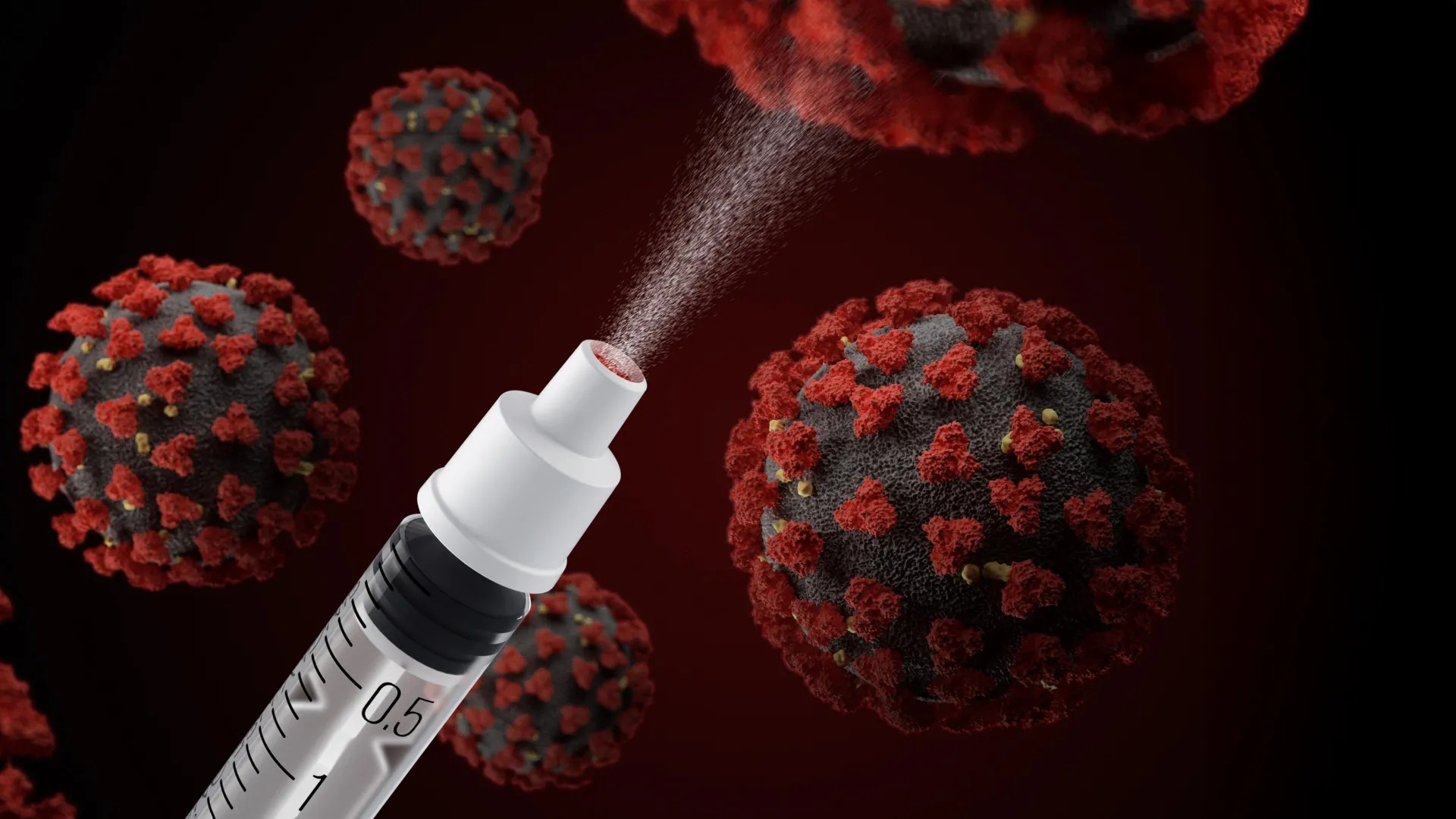
Researchers have developed an experimental nasal spray vaccine in mice that offers broad protection against a range of respiratory viruses, bacteria, and even allergens. The findings, published in Science on February 19th, suggest a potential future where a single dose could replace multiple annual shots for seasonal respiratory illnesses and provide rapid defense against emerging pandemics. This is significant because current vaccines often struggle to keep pace with rapidly evolving pathogens, requiring frequent updates and boosters.
The Limits of Traditional Vaccination
For over two centuries, vaccines have relied on antigen specificity – presenting the immune system with a recognizable piece of a pathogen to trigger a targeted response. However, this approach struggles with fast-mutating viruses. Updating vaccines annually for the flu and continuously adjusting COVID-19 boosters demonstrates the limitations of this paradigm. As Stanford Medicine’s Bali Pulendran notes, “Viruses can change the antigens on their surface… Like the proverbial leopard that changes its spots.”
Most attempts to create broader vaccines have focused on viral families, but a truly universal vaccine seemed unrealistic until now.
Harnessing Integrated Immunity: A New Approach
The new vaccine bypasses traditional antigen specificity by mimicking the immune system’s natural communication signals during infection. Instead of using viral components, it activates both innate and adaptive immunity in a coordinated and long-lasting response. Existing vaccines primarily stimulate the adaptive system (antibodies and memory T cells), while this new approach leverages the versatility of the innate system (dendritic cells, neutrophils, macrophages) – which typically fades quickly but can be prolonged with the right signals.
Past research on the Bacillus Calmette-Guerin (BCG) tuberculosis vaccine showed unexplained cross-protection against other infections. Pulendran’s team discovered that T cells in the lungs sustained innate immune activity for months by sending signals through cytokines to pathogen-sensing receptors called toll-like receptors.
How the Nasal Spray Works
The experimental vaccine, GLA-3M-052-LS+OVA, delivers T cell signals to activate innate immunity in the lungs. It also includes a harmless egg protein (ovalbumin) to draw T cells into the lungs, maintaining the boosted innate response for weeks. Mice receiving three nasal spray doses remained protected from SARS-CoV-2 and other coronaviruses for at least three months.
Unvaccinated mice experienced severe illness and death, while vaccinated mice showed minimal weight loss, survived, and had clear lungs. The vaccine reduced viral levels by 700-fold and triggered adaptive responses in just three days – far faster than the typical two weeks in unvaccinated animals.
Protection Beyond Viruses
The vaccine also protected mice against bacterial respiratory infections (Staphylococcus aureus, Acinetobacter baumannii) and allergic asthma triggered by house dust mites. By suppressing allergic Th2 immune responses, vaccinated mice maintained clear airways. Pulendran believes this represents a “universal vaccine against diverse respiratory threats.”
Next Steps and Potential Timeline
Human safety trials are planned, with larger studies to follow. If successful, Pulendran estimates a universal respiratory vaccine could be available within five to seven years. Such a vaccine could simplify seasonal vaccination and strengthen defenses against future pandemics.
“Imagine getting a nasal spray in the fall that protects you from all respiratory viruses, bacterial pneumonia, and early spring allergens… That would transform medical practice.”
The research was funded by the National Institutes of Health, the Violetta L. Horton Professor endowment, the Soffer Fund endowment, and Open Philanthropy. This represents a major shift in vaccine development, offering the potential for more durable and broad-spectrum protection against a wide range of respiratory illnesses.