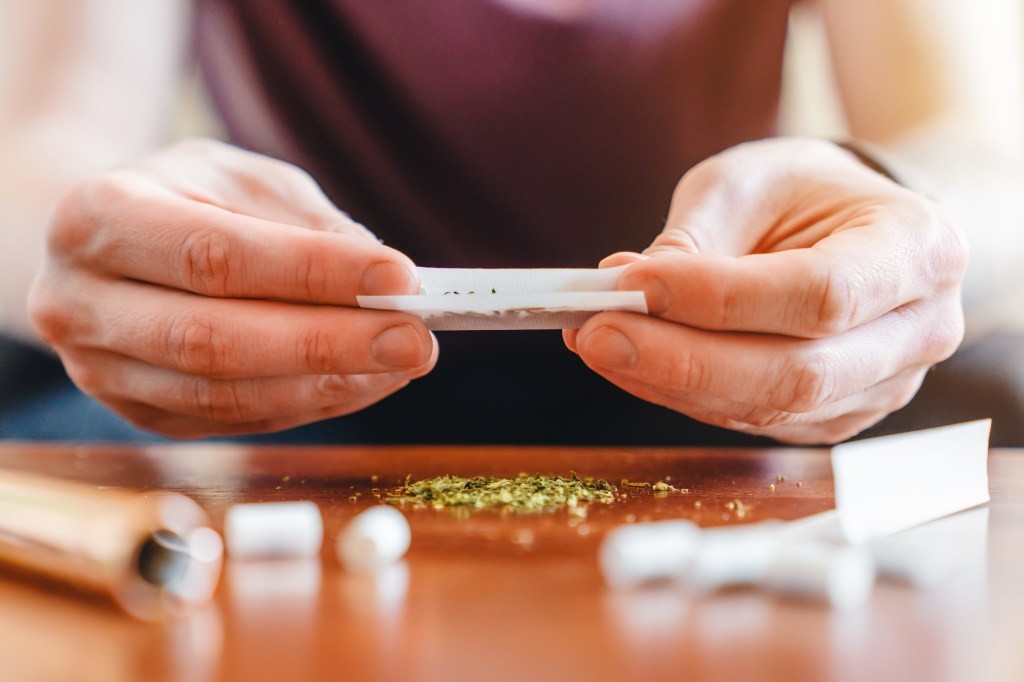
Parenting today feels like a minefield. You worry about grades, friend groups, screen addiction, and the ever-looming shadow of substance abuse. Weed is on that list. It used to feel like a background noise, a minor rebellion. Then a new study came out.
Published in JAMA Health Forum, it changes the conversation.
The data is staggering. Researchers followed more than 463,093 adolescents. They tracked them from age 13 through their mid-twenties. The result? Teens who admitted to using cannabis within a 12-month window faced a significantly higher risk of severe mental health disorders later in life. We are talking bipolar disorder. Depression. Anxiety. Psychotic disorders.
For those who used cannabis, the risk of bipolar and psychotic disorders roughly doubled.
Double.
The Potency Problem Is Real
Millennial parents might remember the “Above the Influence” campaigns. You know the one. The teen melting into the couch, turning into a puddle. It felt cartoonish. Exaggerated.
That era is gone. The weed we know now is not the weed of the 1990s. It is chemically distinct. More potent. More dangerous.
In California, average THC levels in flower have surpassed 20%. Edibles? Concentrates? They can hit 95%. The brain is developing rapidly until the mid-20s. Pumping that much THC into a construction site is risky business. And yet, it is the most commonly used illicit drug among U.S. teens. Eight percent of eighth graders report use. By senior year, that jumps to 26%.
Nearly a third of high schoolers.
The Two-Year Window
Timing matters. The study highlights a specific window of concern. Adolescents reported using cannabis an average of 1.7 to 2. years before receiving a psychiatric diagnosis. This isn’t just correlation. The timeline suggests causation. Cannabis use actively contributes to mental illness.
Does it matter if they only smoke once a week? Yes. The study looked at any self-reported use in the past year. They adjusted for other substances. They controlled for prior mental health issues. The risk remained elevated. It wasn’t just the heavy daily smokers. Even casual use carried weight.
Why does this happen? Scientists suspect THC disrupts the developing endocannabinoid system. It messes with neurotransmitters. The brain hasn’t finished building its wiring yet. Interfere with that process, and you might alter the blueprint.
“The evidence increasingly points to the need for an urgentpublic health response… treat adolescent cannabis use as aserious health issue, not a benign behavior.” – Dr. Lynn Silver
Breaking the Silence
You cannot monitor your teenager 24/7. They will find ways to get it. The goal isn’t surveillance. It is conversation.
Dr. Lynn Silver, co-author of the study, urges a shift in perspective. Stop calling it a phase. Stop treating it like a rite of passage. View it as a major health concern.
Parents need to have the awkward talks. The uncomfortable ones. Give teens the facts about high-potency THC. Explain what happens to a developing brain. Keep the lines open so they come to you before they go to a dealer.
The stakes have changed. The products have changed. The risk is real. How will you talk about it?