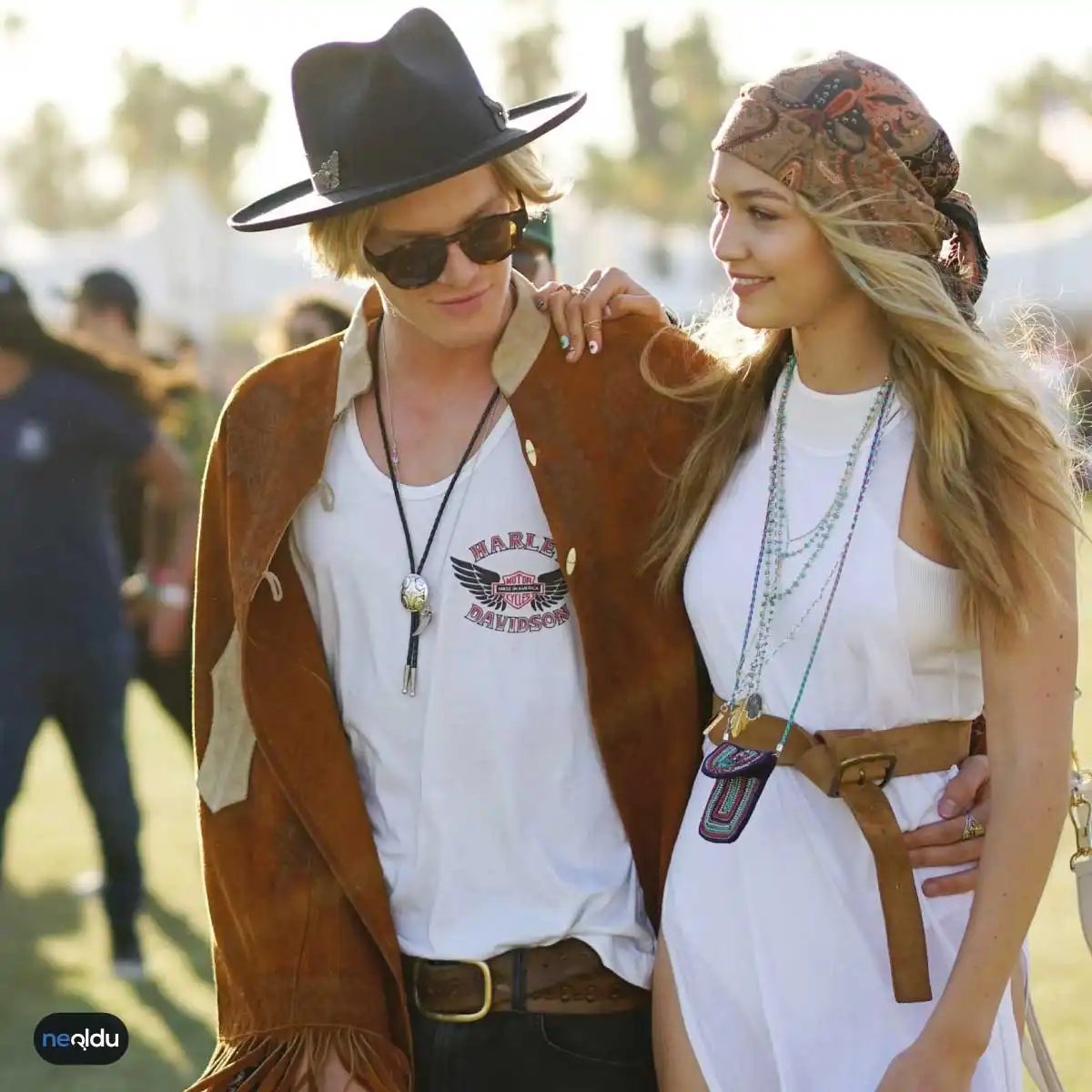
Hippie fashion isn’t just a costume from the 60s. It’s a vibe. And right now? It’s everywhere.
Look around. You’ll see flared jeans, tie-dye tees, and fringe jackets again. But this isn’t a history lesson. This is about what it actually looks like to wear it now.
It started as a rebellion. Against the suit-and-tie norm. Against mass production. Against the idea that clothes should be “proper.”
Hippie style is about freedom. Bright colors. Natural fabrics. Mixing patterns that “shouldn’t” work together. It’s messy. It’s personal. It’s loud.
Why does it still matter? Because it’s anti-fast-fashion by default. It encourages thrift store diving. It celebrates imperfection. And yes, it’s incredibly popular with young people this summer. But it’s not just for them.
Let’s break down what it actually is. Without the fluff.
What Is Hippie Fashion, Really?
At its core, hippie fashion is bohemian. It’s boho-chic before that term existed. It’s rooted in the counterculture movement of the 1960s and 70s. But it’s also deeply influenced by global cultures. Think Indian embroidery, Native American beadwork, and Middle Eastern silhouettes.
It’s not one thing. It’s a mix.
Key elements include:
- Natural fabrics: Cotton, linen, hemp, wool. No polyester unless it’s vintage.
- Earth tones mixed with brights: Mustard yellow, burnt orange, forest green. But also electric blue and hot pink.
- Loose, flowing silhouettes: Maxi dresses, wide-leg pants, tunics.
- Handmade details: Crochet, lace, patchwork, fringe.
- Accessories: Headbands, round sunglasses, layered necklaces, leather sandals.
It’s not about looking polished. It’s about looking alive.
How to Start With Hippie Style (Without Looking Like a Costume)
You don’t need to raid a thrift store attic to get this look. You just need to understand the principles.
First, fit matters less than fabric. A stiff, synthetic maxi dress looks cheap. A soft, cotton one looks effortless.
Second, mix textures. Pair a chunky knit cardigan with a flowy skirt. Add a leather belt to soften a dress. Layer a denim jacket over a floral blouse.
Third, keep it grounded. Don’t go full head-to-toe tie-dye unless you’re at a festival. Start small. A pair of flared jeans. A patterned scarf. A pair of leather sandals.
Why Hippie Fashion Is Making a Comeback
It’s not nostalgia. It’s practicality.
People are tired of fast fashion. They want clothes that last. Clothes that feel good. Clothes that express individuality without trying too hard.
Hippie fashion offers that. It’s sustainable by nature. It’s comfortable. It’s versatile. You can wear a tie-dye shirt to work (if your office allows it) or to a beach party.
It’s also a statement
If you want to trace the roots of modern street style, you have to look back at the 60s. The hippie movement wasn’t just a fashion choice. It was a radical declaration of freedom. These weren’t people who followed rules. They ignored them.
The aesthetic became so powerful that it still echoes today in how we dress. But getting the look right isn’t just about buying vintage clothes. It’s about capturing a specific energy.
How to achieve authentic hippie fashion today
The core of this style is rejecting structure. You aren’t looking for a tailored suit or a sharp line. You are looking for flow. Think about the key pieces that defined the era and how they translate to a modern wardrobe.
Start with denim. But not just any denim. We are talking about ripped jeans and cutoff shorts. The wear and tear should look intentional, or at least lived-in. Pair those with long, patterned dresses that hang loosely off the body. Batik blouses are a must-have detail. They add texture and history to an outfit.
Footwear matters too. Suede boots with fringe? Yes. Moccasins? Absolutely. Even your accessories need to reflect this relaxed vibe. Fringed bags and wide-brimmed hats aren’t just props. They are essential components of the silhouette.
The role of hair in the overall aesthetic
Your hair is the frame for your face and the most obvious signal of your attitude. Long, messy hair is non-negotiable here. It shouldn’t look styled. It should look like you woke up and decided to embrace the wind.
“The look requires a chaotic freedom that feels effortless but is actually very deliberate.”
This isn’t about bad hair days. It’s about a deliberate rejection of perfection. The hair should be full, unbrushed, and free. It complements the loose fit of the clothes. If your outfit is structured, the look fails. If your hair is slicked back, you’ve missed the point.
Why this style resonates with modern women
You might wonder why this specific aesthetic from the 60s remains relevant. It’s because it represents autonomy. In a world that often demands we present a polished, corporate version of ourselves, the hippie look is a quiet rebellion.
It allows for comfort without sacrificing expression. You can be practical in ripped jeans and still feel artistic in a batik top. It bridges the gap between daily utility and personal identity.
Where to find these pieces now
You don’t need to dig through dusty thrift stores. Many modern brands have embraced these elements. Look for:
- Denim with distressing: Focus on natural fading rather than artificial rips.
- Natural fabrics: Cotton, linen, and suede are key. Avoid heavy synthetics.
- Earthy tones: Earth tones dominate the palette, but pops of tie-dye color add the necessary energy.
The goal is to look like you have more important things to think about than your outfit. That’s the ultimate hippie flex. You’re not trying to impress anyone. You’re just being.
Does that mean you can’t accessorize? No. Just don’t overdo it. A few beads. A scarf. A bag with meaning. The rest should fall away. Leave space for the person inside the clothes to breathe.
2. Hippi Pantolonlar: Rahatlık Öncelikli
Hippi akımını takip eden kişiler genel olarak nasıl olduklarını umursamazlar. Aksine doğadan ve renklerden ilham alarak tarzlarını yansıtırlar. Bu felsefe, giyimde de hissedilir. Pantolon seçimi burada devreye girer. Amaç daralmak değil, özgürce hareket etmek.
Çoğu zaman bol kesim tercih edilir. Kumaşlar doğal olmalı. Pamuk veya keten gibi nefes alan kumaşlar ön plana çıkar. Renkler toprak tonlarına yakındır. Turuncu, hardal, zeytin yeşili gibi doğanın kendi renkleri. Bazen de çiçek desenleri veya etnik motifler kullanılır. Bu detaylar, basit bir pantolonu bile ilginç kılar.
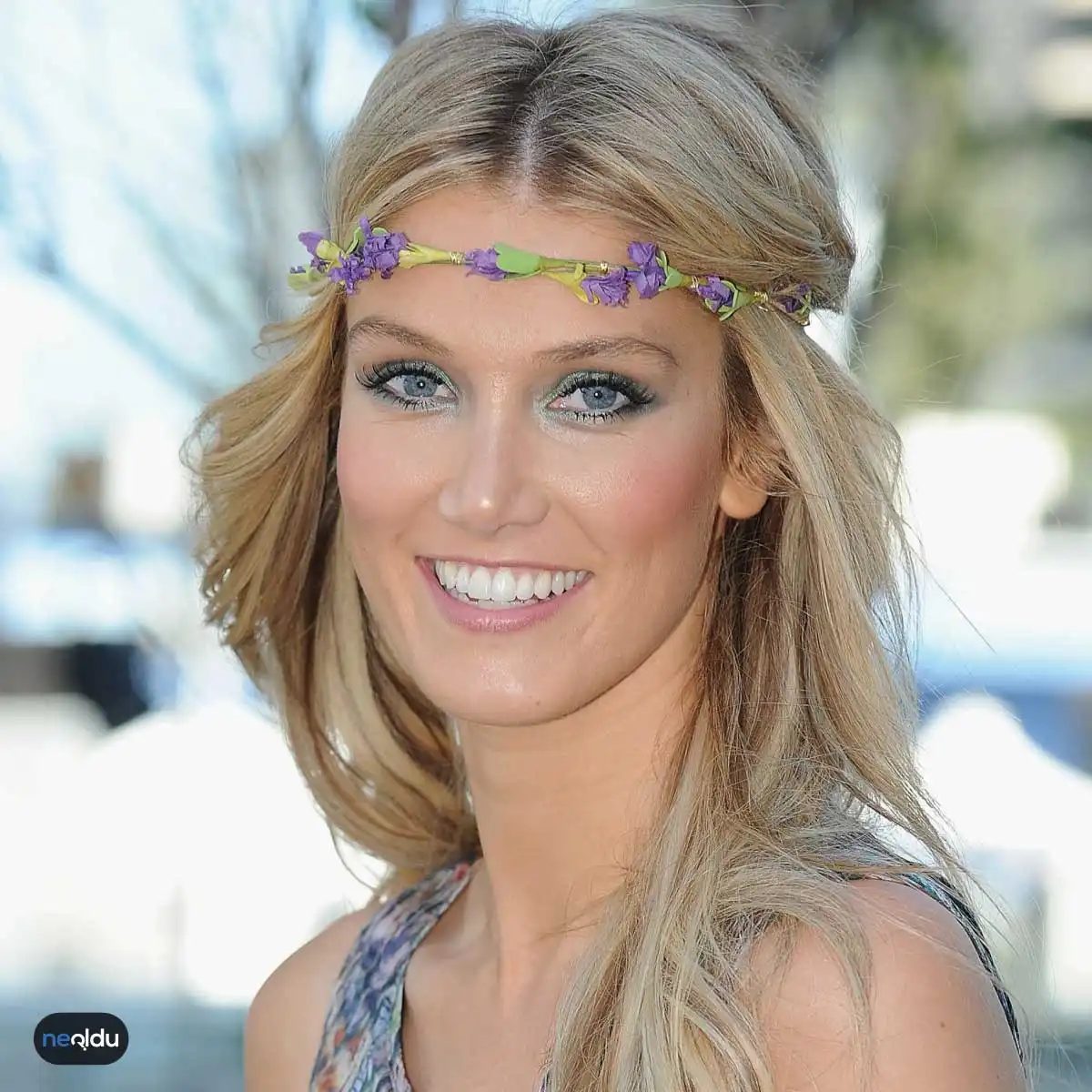
Saç stilinizle uyum sağlama konusunda da esnek olunabilir. Hippi tarzında saçlarını gelişi güzel ya da hint usulü bağlamak değişik bir ruh kazandırmaktadır. Pantolonlarla bu saç modeli birleştiğinde tam bir huzur hissi oluşur. Sıkı lastikler yok. Bel kısmı rahat. Bacaklar serbest.
Bu tarzı giyerken dikkat edilmesi gereken en önemli nokta, konforun ödül verilmesi gereken bir şey olması. Dar jeanler veya sıkı kotlar bu akıma uymaz. Bunun yerine geniş paçalı pantolonlar veya kapri modelleri daha uygundur. Ayrıca el yapımı detaylar, nakışlar veya yıpranmış görünümler bu stilin imzasıdır.
Neden her şeyi giymek zorundasın ki? Soru işaretleriyle devam eden bir stil, aslında büyük bir özgüven işaretidir.
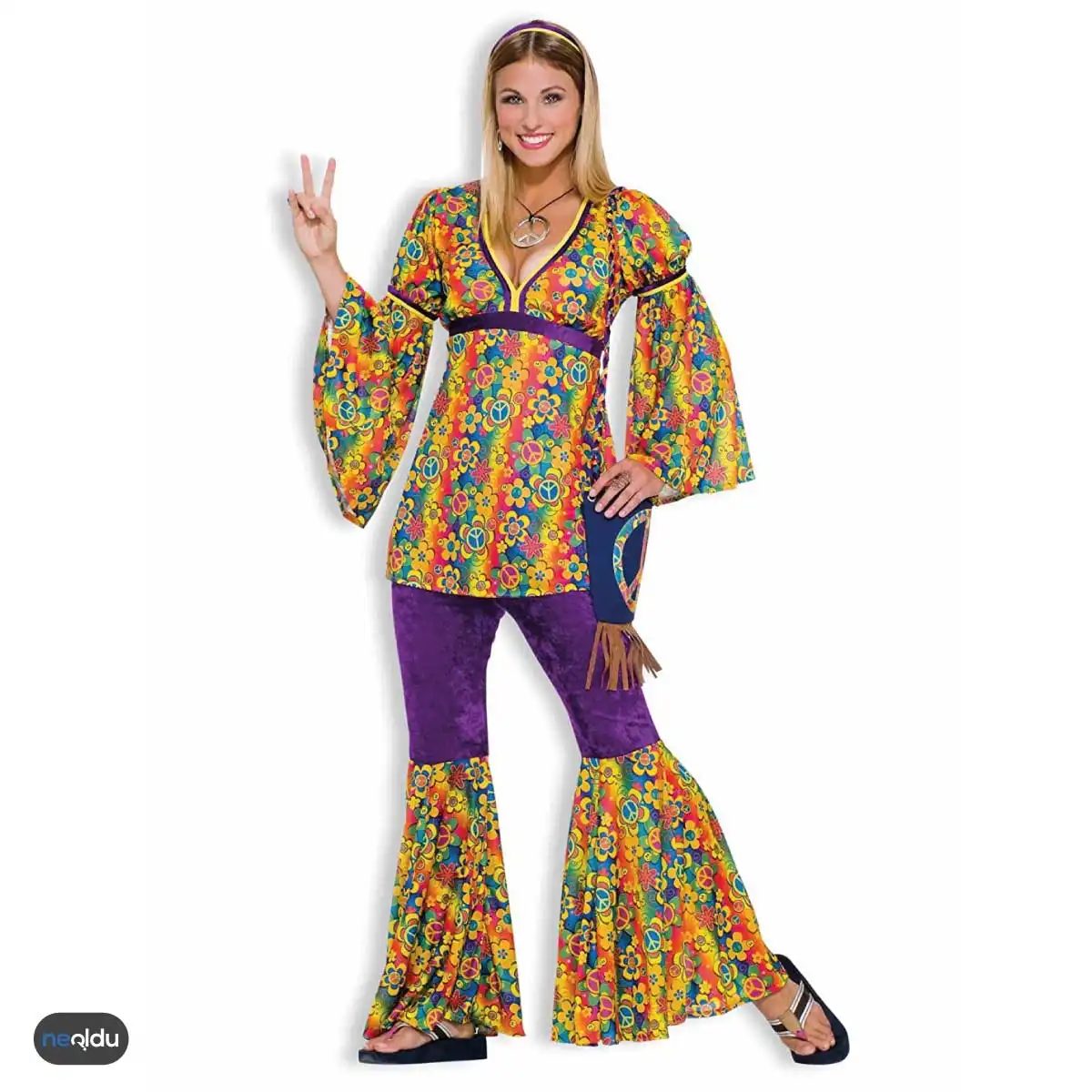
Pantolon seçiminde rahatlık her zaman birinci planda. Hippi estetiğinde şalvar veya ispanyol paça modelleri neredeyse zorunlu bir tercih. Bol kesim, bedene yapışmayan bu kalıplar, hareket özgürlüğü sunuyor ve o “bırak gitsin” havasını tam olarak yansıtıyor. Ama dur dur, sadece bu iki kesimle sınırlı kalmak zorunda değilsin.
Dantel detaylı pantolonlar da listede yer alıyor. Biraz romantik, biraz da havalı bir dokunuş arıyorsan dantel, yaz günlerinin ferahlatıcısı için şile bezi, klasik ama raw (işlenmemiş kenarlı) bir hava istiyorsan ise jean kumaş… Her biri kendi başına bir hikaye. Özellikle şile bezin o hafif, rüzgarla dans eden dokusunu düşün. Ya da dantelin ince işçiliğinin ciltle buluştuğu noktadaki hassasiyeti. Farklı kumaşlar, farklı ruh halleri demektir.
3. Hippi Tulumlar
4. Hippi Elbiseler
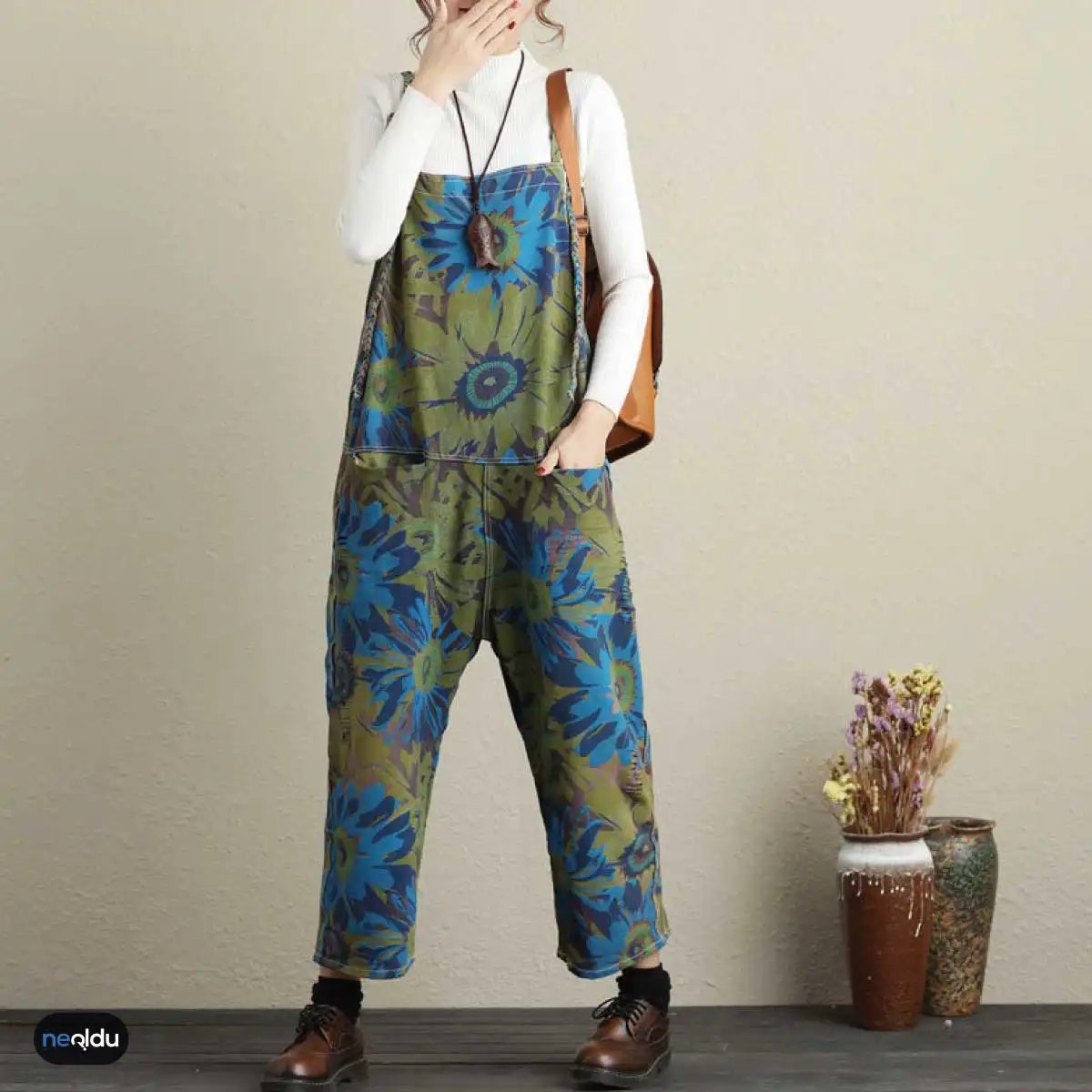
Eğer bu sezonun en çok konuşulan trendlerinden biriyle ilgileniyorsanız, hippi tarzı tulumların dışında kalanlar da var. Özellikle elbiseler, uzun yaz geceleri için ideal bir tercih haline geldi. Desenleriyle dikkat çeken bu modeller, genellikle floraldan etnik motiflere kadar geniş bir yelpazede karşımıza çıkıyor.
Püsküleri olan, dantel detayları öne çıkan parçalar, dolabınızda mutlaka yer bulmalı. Bu tarz, özgürlük ve rahatlığı ön planda tutanlar için vazgeçilmez. Sadece kıyafet olarak değil, aynı zamanda bir tutum olarak da öne çıkıyor.
Hangi modeli seçeceğiniz ise tamamen kişisel zevkinize bağlı. Uzun etekler, kısa mini modeller veya katmanlı tasarımlar… Hepsi geçerli. Önemli olan, kendinizi rahat hissetmek.
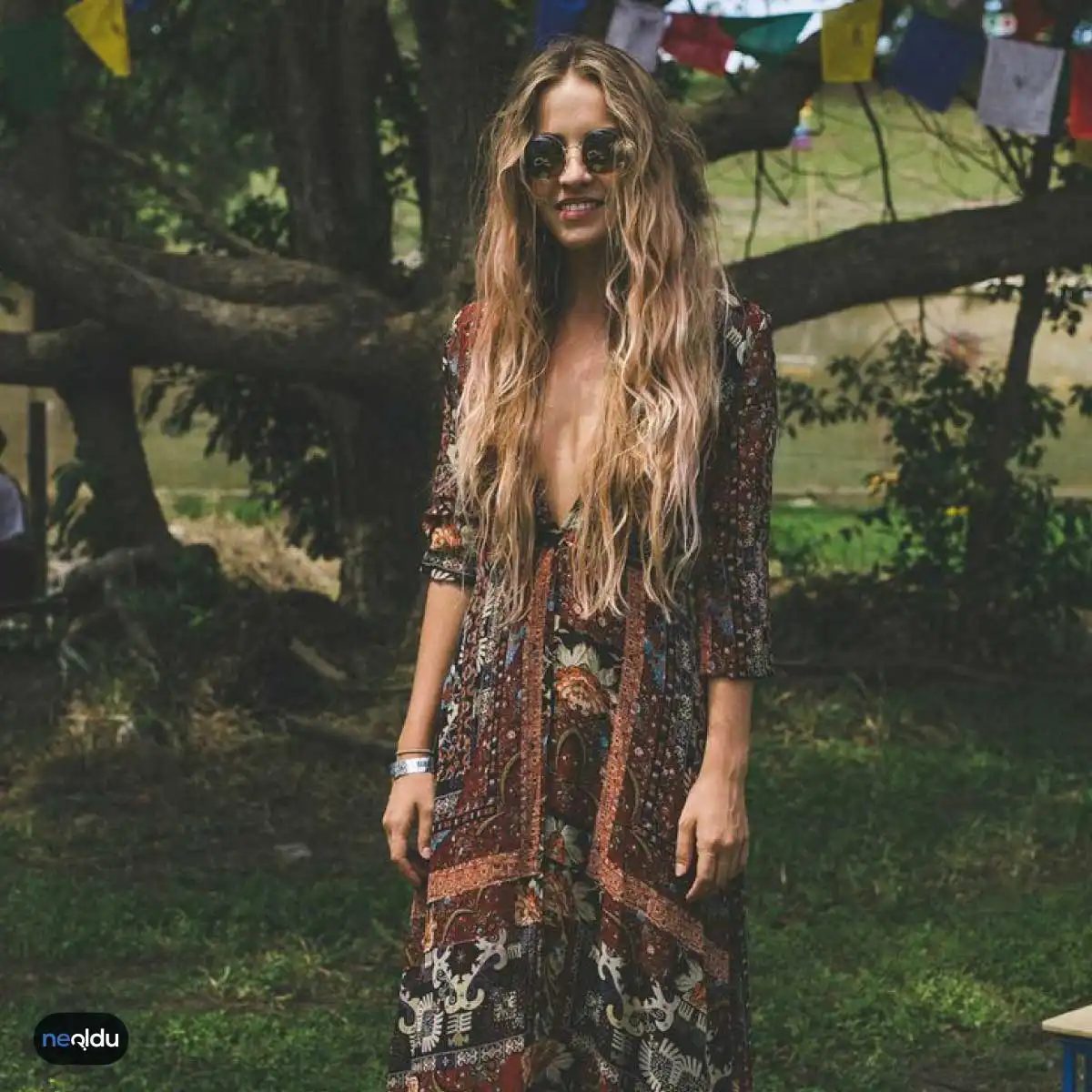
Hippi elbiseleri sadece kıyafet değil, bir duruş.
1960’ların ruhunu taşıyan bu parçalar, bugün sokaklarda ve plajlarda hâlâ yer alıyor.
Neden?
Çünkü rahatlık ile şıklığı birleştiriyorlar.
Neden Hippi Tarzı Hâlâ Tercih Ediliyor?
Hippi modası sadece kıyarmakla kalmadı, toplumsal değişimlere de yön verdi.
- Özgürlük vurgusu: Sıkı kalıpların reddi, giysilerde de serbest hareket alanı yarattı.
- Doğaya yakınlık: Pamuk, keten gibi doğal kumaşlar tercih edildi.
- El yapımı estetik: Seramik, ahşap ve el dokuması desenler öne çıktı.
Bu unsurlar, günümüzde hâlâ tercih edilmesinin temelinde yatıyor.
Hangi Parçalar Öne Çıkıyor?
Hippi stilinde dikkat çeken temel öğeler:
- Uzun, bol kesim elbiseler
- Etiketli veya çiçekli desenler
- Deri veya tüy detaylı aksesuarlar
- Topuklu sandalet veya çizmeler
Bu kombinasyonlar, hem günlük hem de özel günlerde kullanılabilir.
Nasıl Kombinlenmeli?
Hippi elbiseleriyle uyum sağlamak için:
- Basit, doğal tonlarda makyaj
- Toparlanmış saçlar veya özgür saç stilleri
- Minimal aksesuar kullanımı
Bu yaklaşım, fazla süslenmeden şıklığı korumanızı sağlar.
Hippi tarzı, “az çoktur” felsefesini giysilerde de yansıtır.
Hangi Mevsim İçin Uygun?
Hippi elbiseleri yaz ayları için idealdir.
- Hafif kumaşlar sayesinde terletmez
- Bol kesim yapısıyla serin tutar
- Güneş altında bile konfor sunar
Kışın ise katmanlı giyimle kombinlenebilir.
Hangi Bedenler İçin Uygun?
Hippi kesimleri, farklı vücut tiplerine uyar.
- Zayıf vücutlar: Bol kesimlerle hacim kazanılır.
- Dolgun vücutlar: Düşük bel kesimler bel bölgesini vurgular.
- Orta vücutlar: Uzun etekler ve elbiseler dengeli görünüm sağlar.
Bu esneklik, herkesin tarzını yansıtmasına olanak tanır.
Hangi Renkler Tercih Edilmeli?
Doğal tonlar hâlen tercih ediliyor:
- Toprak tonları (kahverengi, bej)
- Pastel renkler (açık mavi, lavanta)
- Canlı çiçek desenleri
Bu renk paleti, hem yaz hem de sonbahar için uygundur.
Hangi Aksesuarlar Tamamlıyor?
Hippi stilini tamamlayan aksesuarlar:
- Boncuklu kolyeler
- Geniş kenarlı şapk
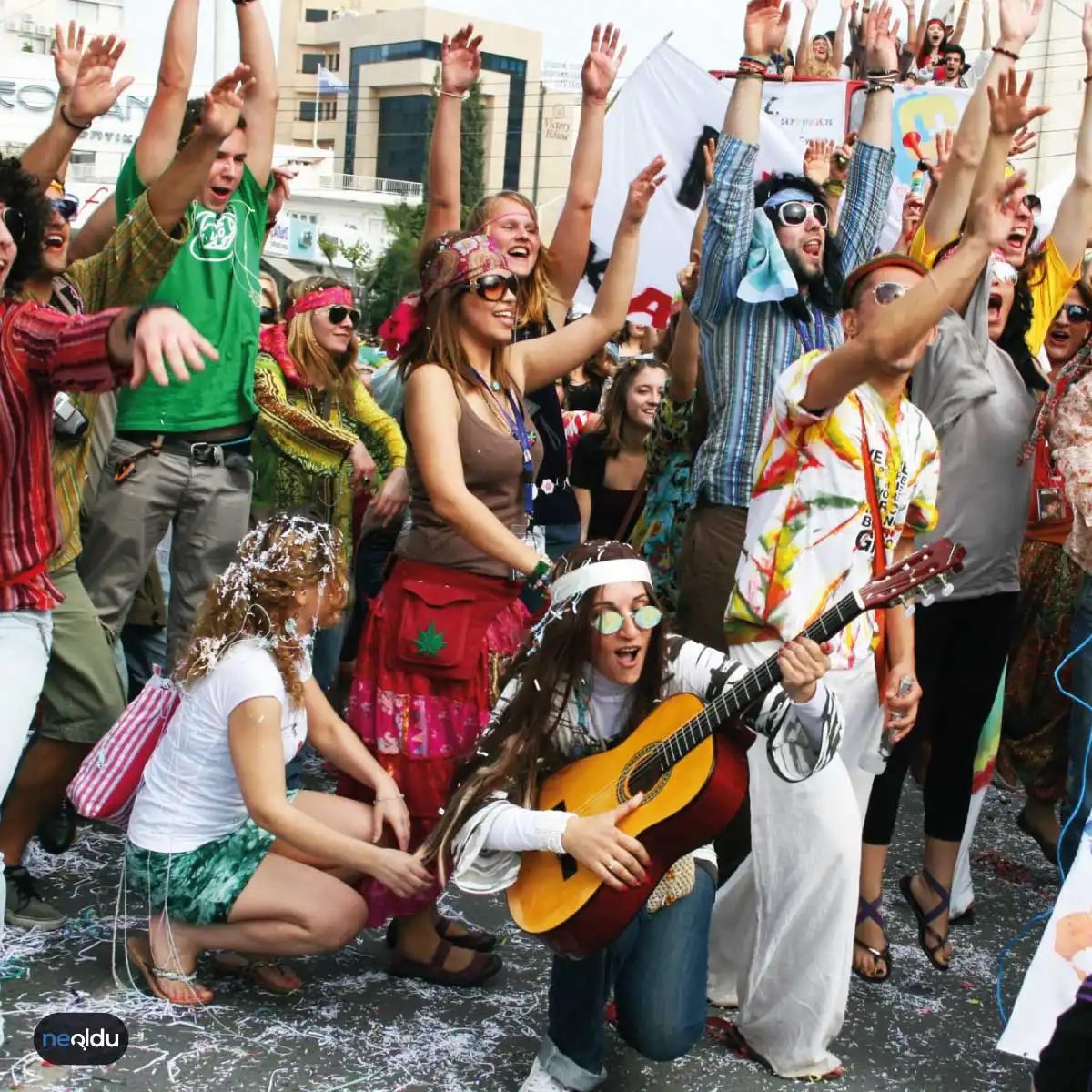
Why 1960s Hippie Style Still Defines Modern Boho Chic
It didn’t start as a fashion statement. It started as a scream against the status quo. The hippie movement emerged in the mid-1960s not just to change what we wore, but to dismantle the rigid social structures of the era. It was a direct rejection of conformity and materialism. Young people globally adopted this look to signal their political and cultural dissent.
Today, that same aesthetic drives hippie fashion trends. The core philosophy remains unchanged: prioritize personal expression over dress codes. This shift encouraged creativity across fabrics, patterns, and silhouettes. It wasn’t just about looking different; it was about feeling connected to something larger than the capitalist machine.
Cultural Exchange and Artistic Freedom
The impact went far beyond clothing. Hippie style facilitated cross-cultural interaction. By integrating elements from various ethnic groups and cultures, the movement fostered understanding and unity.
Artistically, it was a catalyst. The era saw the rise of psychedelic music and films that mirrored the chaotic, colorful energy of the clothes. Designers like Ossie Clark, Mary Quant, and Halston began experimenting with cuts and materials that defied traditional boundaries. These icons helped cement styles like “flower power,” boho-chic, and folk into the cultural lexicon.
How to Shop for Authentic Hippie Style Today
Hippie fashion isn’t a relic. It’s a living, breathing style that adapts to each decade. If you want to incorporate hippie fashion trends into your wardrobe without looking like you’re in a costume, focus on the fundamentals.
1. Embrace Bold Colors
Hue is everything. Think vibrant purples, greens, pinks, yellows, and oranges. Don’t limit these colors to your main garments. Look for them in accessories like scarves, hats, and bags. A splash of color can transform a neutral outfit into something distinctly bohemian.
2. Choose Natural Fabrics
Stick to materials that breathe. Cotton, silk, and linen are non-negotiable for this look. They offer comfort and a relaxed drape that synthetic fabrics rarely achieve. This is especially crucial for summer pieces where lightness is key.
3. Accessorize Intentionally
The right accessories complete the vibe.
* Sunglasses: Large frames or tinted lenses.
* Headwear: Wide-brimmed hats or headbands.
* Bags: Crossbody styles or woven totes.
* Belts: Wide, decorative belts to cinch loose silhouettes.
4. Footwear Choices
Your shoes ground the look.
* Sandals: Leather or flat styles for warmth.
* Boots: Ankle boots or higher for cooler months.
* Heels: If you must wear heels, keep them earthy or natural in tone.
5. Current Trends to Watch
Hippie style reinvents itself annually. Right now, look for:
* Ethnic patterns and prints.
* Patchwork details on denim or dresses.
* Maxi dresses that flow with movement.
Frequently Asked Questions About Hippie Fashion
When did hippie fashion originate?
It surfaced in the mid-1960s and peaked in the early 1970s. The style evolved rapidly alongside the civil rights and anti-war movements.
What are the defining features of the style?
Key elements include colorful, patchwork dresses, loose-fitting garments, long cardigans, turbans, sunglasses, boots, and sandals. The overall silhouette is relaxed and unrestrictive.
How did it influence society and culture?
As part of a radical social and political movement, hippie fashion challenged capitalization and societal norms. It provided a visual language for self-expression and a desire to change the world.
Who are the iconic designers associated with this era?
Ossie Clark, Mary Quant, and Halston are frequently cited as pivotal figures who bridged high fashion and hippie aesthetics.
Where is hippie fashion relevant today?
It remains popular under labels like vintage, boho, and bohemian-chic. Modern interpretations update designs and materials while retaining the free-spirited essence. The style continues to evolve, proving that freedom in dress is a timeless pursuit.
The line between then and now blurs. We wear the past to express the present. It’s not just about the fabric. It’s about the attitude behind it.