Traveling often means navigating a high-density environment where viruses and bacteria thrive. While most passengers focus on wearing masks or using hand sanitizer to avoid getting sick, medical experts suggest that a simple decision made during flight booking—your seat selection —can significantly influence your risk of infection.
The Danger of the Aisle Seat
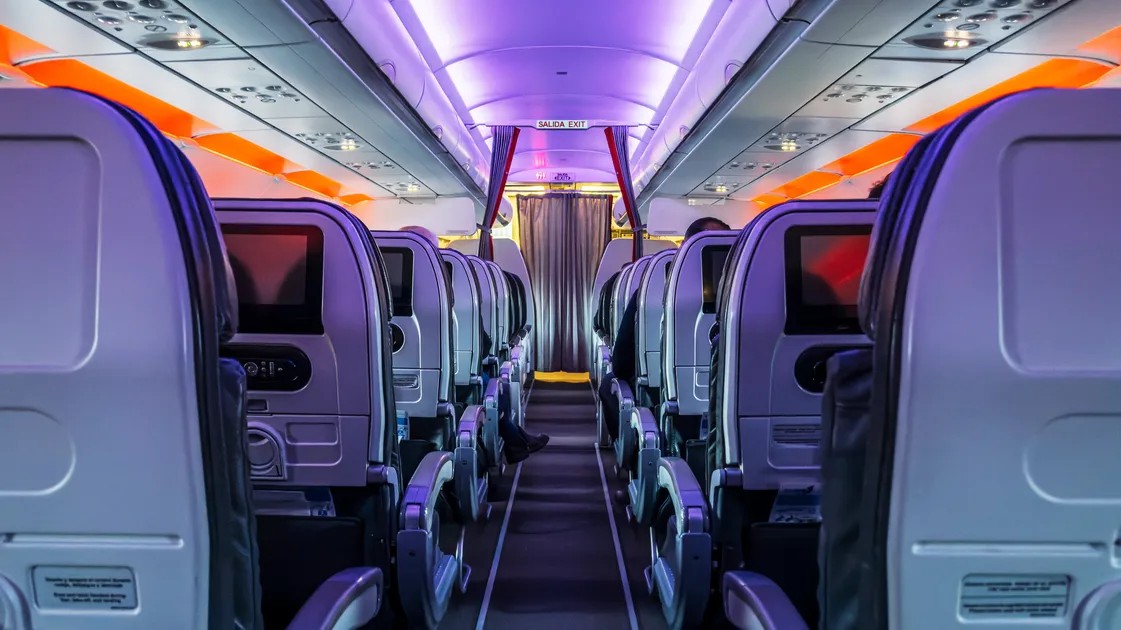
While the aisle seat is often favored for its convenience and easy access to the lavatory, infectious disease specialists warn that it is actually a “germ magnet.”
According to experts from Orlando Health and Houston Methodist, the aisle seat places you in the direct path of constant movement. The primary risks include:
- Increased Human Contact: You are exposed to every passenger who walks past you in the aisle. Research from Emory University indicates that 40% of passengers get up at least once during a flight, and 20% get up twice or more.
- Airborne Pathogens: As people walk past, cough, or sneeze, they can disperse pathogens directly into your personal space.
- Surface Contamination: Aisle passengers are more likely to touch armrests or surfaces during turbulence or while moving, potentially transferring germs to common areas that you will later touch.
The Best Defense: The Window Seat
If your goal is to minimize exposure to germs, medical professionals recommend opting for the window seat.
Dr. Ashley Drews and Dr. Jen Caudle note that the window seat offers several layers of protection:
1. Reduced Traffic: You avoid the constant “flow” of people walking to the restroom.
2. Fewer Shared Surfaces: Fewer people will touch your armrest compared to an aisle or middle seat.
3. Physical Barrier: You can lean against the cabin wall, reducing the likelihood of strangers brushing against you.
Note of Caution: While the window seat is statistically safer, it is not a guarantee of health. Your proximity to an infectious person remains the most significant risk factor, regardless of where you sit.
Managing Risk: Beyond Seating
Since you cannot control who sits in the seats surrounding you, experts suggest a multi-layered approach to hygiene to mitigate the risks inherent in air travel.
Hygiene Best Practices
- Sanitize Frequently: Use soap and water or alcohol-based hand sanitizer, especially after security checks and before eating.
- Disinfect Your Space: Use disinfecting wipes on high-touch surfaces like tray tables, armrests, and seat buckles.
- Mind Your Hands: Avoid touching your face and limit contact with unnecessary surfaces.
- Practice Respiratory Etiquette: Cough or sneeze into your elbow to protect those around you.
Personal Wellness
- Stay Hydrated: Flying can lead to dehydration, which can impact your overall well-being.
- Monitor Your Health: Avoid flying if you are already feeling unwell, and consider extra precautions if you are immunocompromised or have underlying heart or lung conditions.
- Post-Flight Routine: Changing your clothes after a flight can help remove any lingering environmental contaminants.
Conclusion
While seat selection cannot eliminate the risk of illness, choosing a window seat over an aisle seat can reduce your exposure to both airborne and surface-level pathogens. Combined with consistent hand hygiene and surface disinfection, these small adjustments can help ensure you arrive at your destination healthy.