
It sounds like a plot device from a low-budget horror flick. A ribbon-like parasite, wiggling through the dark, absorbing everything you eat while laying millions of eggs. They can stretch up to 80 feet. They can survive in a human host for three decades. The thought alone makes most people recoil. But before you dismiss the very idea of harboring such a creature as pure nightmare fuel, consider this: people have seriously considered swallowing them to drop pounds.
For those of us in developed nations, the risk of a random infection is statistically low. Tapeworms thrive where sanitation fails. It is a disease of neglected hygiene and poor waste disposal. You catch it by ingesting contaminated fecal matter—usually through inadequate hand washing or bathing practices. You catch it by eating undercooked or raw meat that harbors dormant eggs. Those eggs survive the heat of the kitchen. They wait. They hatch.
Despite the visceral horror, the allure of the tapeworm diet persists in folklore. The logic is brutally simple. If a worm eats your calories, you don’t have to. You eat the steak rare. You binge on carbs. The parasite intercepts the nutrients before they ever reach your bloodstream. Your waistline stays thin. Or so the rumor goes.
There are claims that tapeworm pills existed as commercial weight-loss aids in the past. There are whispers of legendary opera singers who allegedly swallowed these parasites to slim down, reportedly sacrificing their vocal range in the process. Did they actually do it? How do you even get one? And if you do, how do you get it out? More importantly, does this grotesque method actually result in sustainable weight loss, or is it just a dangerous myth with a high price tag?
How Do You Get a Tapeworm In Your Body?
Transmission is rarely accidental in the way we imagine. It is almost always tied to food sources. The primary vector is undercooked pork, beef, or fish containing larval cysts. In regions with lax sanitary standards, human waste contaminating water or soil introduces the eggs into the food chain. Once ingested, the larvae migrate to the intestine, attach to the wall, and begin their long, nutrient-stealing life. It is a slow, silent invasion. One you likely wouldn’t feel until symptoms became severe.

The Anatomy of a Parasite
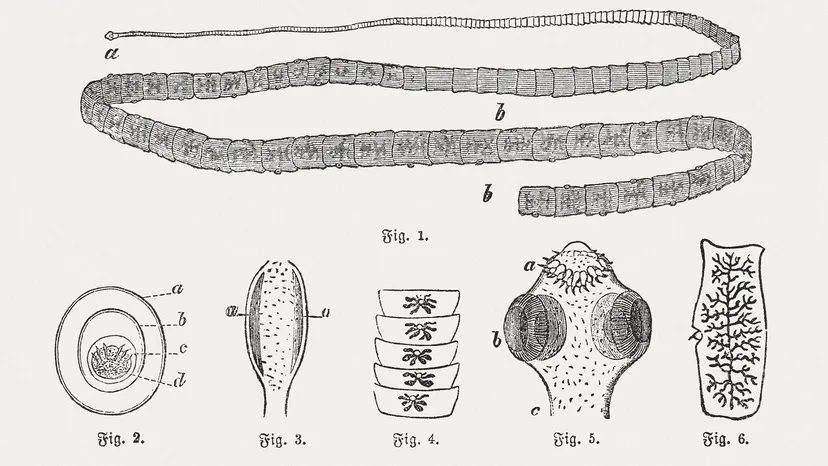
Let’s be clear about what we are dealing with here. You can try to spin it as a natural diet aid, but a tapeworm is a parasite through and through. It doesn’t have its own digestive system. That would be inefficient. Instead, it sucks up nutrients—mostly carbs and sugars—that your body has already partially broken down. It lives in your intestines.
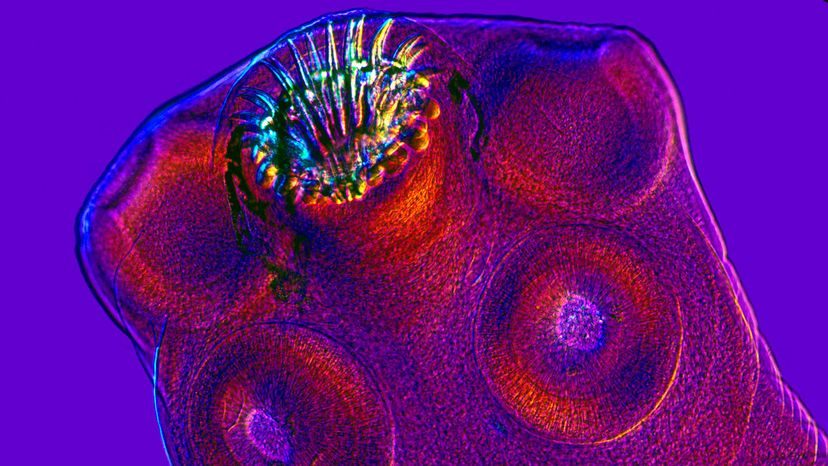
The host can be a pig, a cow, a sheep, or a human. The worm’s head, called the scolex, is equipped with suckers or hooks. These latch onto your intestinal wall. Without them, the peristaltic action of your gut would just push the creature out. Below the head is the neck. From there, the rest of the body buds off.
This is where it gets visceral. The main body, the strobila, is made of segments. Thousands of them. Each segment is a proglottid. Think of it as a self-contained unit. Some are male, producing sperm. Others are female, acting as egg sacks. One segment can hold about 100,000 eggs. The whole worm can churn out millions.
These segments often break off. They pass out of the host in feces. But proglottids have muscle. They can crawl. Sometimes they exit the anus on their own. More often, they crawl away from the waste pile. This increases the odds that another animal will eat them. Eventually, the segment disintegrates, releasing the eggs into the environment.
The Cycle of Infection
If an herbivore eats those eggs, the harsh conditions of its digestive system trigger them to hatch. The larval stage, known as a hexacanth, uses hooks to burrow through the intestinal walls. It enters the bloodstream. There, it transforms into a scolex and forms a cyst. This condition is called cysticercosis.
Pigs, cows, and sheep are the usual suspects. But humans can be intermediate hosts for the pig-born species. And that is where it gets dangerous.
If you eat raw or undercooked meat containing these cysts, the cycle restarts. The scolex attaches to your intestine. The parasite waits. It doesn’t need to rush.
Once you have a tapeworm, you have human taeniasis. On its own, this is often asymptomatic. You might not feel anything. But the risk lies in what happens next. The hexacanths can burrow into your bloodstream. They don’t stay in the gut. They migrate.
Cysts can form anywhere. Eyes. Brain. If they grow, they inflame the surrounding tissue. Pressure builds. The result can be temporary symptoms or permanent damage. Blindness. Brain damage. Death. In developing countries, this is the leading cause of adult-onset seizures. It is far more likely if you live with someone who already has the parasite.
The damage isn’t limited to the brain. Large tapeworms can block the appendix. They can clog bile ducts or pancreatic ducts. Cysts can grow in the lungs and liver. If they get big enough, they disrupt organ function. Occasionally, a cyst ruptures. This triggers itching, hives, trouble breathing, and swelling. It looks and feels like a severe allergic reaction.
Recognizing the Signs and Staying Safe
How do you know if you have one? Symptoms vary wildly. Some people have none. Others experience nausea, weakness, or abdominal pain. You might notice segments in your stool. They can look like grains of rice or flat white bands.
Prevention is straightforward, even if the topic is grotesque. Cook meat thoroughly. Freeze pork and beef at specific temperatures for several days to kill any larvae. Wash hands after using the bathroom and before handling food. Avoid eating raw or undercooked meat from regions where sanitation is poor.
“Cysticercosis is decidedly not pleasant.”
The horror isn’t just in the idea of a worm eating your nutrients. It’s in the migration. The cysts don’t care where they settle. They cause chaos wherever they land.
It’s not about fear-mongering. It’s about understanding the mechanics. The tapeworm is efficient. It has evolved to survive in the harshest internal environments. It doesn’t need to fight your immune system directly. It just needs you to eat the wrong thing. Or for someone else to.
The cycle continues. The eggs wait in the soil. The larvae hide in the muscle tissue. The cysts grow in silence.
You can’t see the threat until it’s too late.
So, you’ve read the horror stories and firmly decided against inviting a parasitic roommate into your gut. Good choice. But if you’re looking to keep that parasite out of your life entirely, you need to get your hands dirty—metaphorically speaking. Hygiene is your first line of defense. Wash your hands with soap and warm water after every single bathroom visit and before you touch any food. It sounds basic, but it drastically lowers your odds of becoming an unwitting host.
In the United States, we have a layer of protection that many other countries lack: rigorous meat inspection. This system keeps tapeworms out of the mainstream food supply. You can actually spot the cysts if you know what they look like, which is a skill that never hurts to have. However, inspection isn’t the only tool in your belt. Freezing is powerful. If you freeze meat at minus 31 degrees Fahrenheit (-35 degrees Celsius) for ten days, you kill the parasites. It’s a simple chemical fact that saves you from a medical nightmare.
When it comes to cooking, resist the urge to order your steak rare. You need to cook meat to a safe temperature to destroy larvae and eggs. Use a food thermometer. For whole cuts of meat—excluding poultry because their rules are different—heat it to at least 145 degrees Fahrenheit (63 degrees Celsius). Then, let it rest for three minutes before you carve it. That resting period is non-negotiable. It allows the internal temperature to stay high enough to kill pathogens. Ground meats are different. Cook them to 160 degrees Fahrenheit (71 degrees Celsius), but you don’t need to let them rest. The grinding process changes how pathogens behave, so the rules shift slightly.
If you are traveling to or living in a developing area, the rules change again. Water quality is a gamble you shouldn’t take. Use safe water to wash and cook your vegetables and fruits. If you aren’t sure about the local tap water, boil it for one minute and let it cool. It’s a small effort that prevents massive health issues. Also, avoid contact with animal and human feces. Proper disposal is critical, especially if you are in a livestock-relevant situation.
Most tapeworm infections are silent. You might not feel a thing. But if you start noticing weakness, nausea, abdominal pain, diarrhea, dizziness, loss of appetite, weight loss, or even a strange craving for salt, see a doctor. Intestinal infections need assessment. Usually, a stool sample is checked for tapeworm segments or eggs. If the infection is more serious and invasive, the signs change. Headaches, allergic reactions, seizures, other neurological symptoms, and cystic lumps under the skin are red flags.
Ideally, you catch it early. A single dose of niclosamide or praziquantel can handle it. These anti-worm medications work by forcing all the parasite’s muscles to contract permanently. The tapeworm dies and leaves your body through your feces. It’s not glamorous, but it works. Severe cases, however, may require surgery. That’s the worst-case scenario, and it’s entirely preventable with a bit of knowledge and caution.
Weight Loss and Other Tapeworm Myths

Let’s bust a few more myths before moving on. You’ve probably heard the story about luring a tapeworm out of your body with a bowl of milk and cookies. It’s charming, sure. It’s also completely false.
A tapeworm lives deep in your intestine. There’s a stomach, an esophagus, and miles of digestive tract between it and your mouth. It’s not Santa Claus. It has no sensory organs to detect food. It can’t smell. It can’t see. It’s a simple creature. So, placing treats near your lips won’t summon it. Nor will putting food near the other end of your digestive tract work. The logic doesn’t hold up.
If you suspect you have one, don’t play games. Take the pill prescribed by your doctor. Let nature do its job.
The Maria Callas Myth
Opera legend Maria Callas is often cited as a cautionary tale. Rumors swirled in the mid-1950s that she used a tapeworm to drop weight. She did lose over 60 pounds in several months. She was also known to have contracted a tapeworm at some point.
But these two facts likely have nothing to do with each other. Callas loved rare steak. That’s probably how she picked up the parasite in the first place. The story got jumbled. Time amplified the rumor. The result is a persistent myth that still circulates today.
A Brief History of “Sanitized” Parasites
Historical records show advertising from the late 19th and early 20th centuries selling “sanitized tapeworms.” The pitch? Help women maintain a slim figure.
Verifying whether these pills actually contained tapeworms or if women were buying cysts to acquire them is tricky. A pill would likely contain the cyst stage of the life cycle. Cultivating a large supply of those sounds like a grim, unpleasant day’s work for anyone.
It’s unlikely this was a widespread, organized industry. But given the long, strange history of humanity, it’s safe to assume someone, somewhere, tried using a tapeworm to lose weight. So, did it happen? Most likely yes. Was it common? Almost certainly not.
What Actually Happens to Your Body
So, what if you actually swallowed one? Do the pounds just melt away? Can you eat whatever you want without consequences?
Not exactly.
Tapeworms are not big enough to absorb all the calories you consume. If your diet is already restrictive, the worm might steal enough nutrients to cause malnutrition. Or, your body might signal hunger, making you eat more. If you’re loading up on carbs, both you and the worm might gain weight.
“If you’re chowing down on carbs, both you and the tapeworm will probably pack on the pounds.”
Most infections are asymptomatic. You might never know you have one until a proglottid (a segment of the worm) shows up in the toilet.
Some hosts experience intestinal discomfort or diarrhea. Some lose their appetite. This could lead to weight loss. But reading about tapeworms causes a similar loss of appetite. More drastic measures might not be necessary.
Even if the worm trims a few pounds, it’s not a viable strategy.
The Cost of “Slimming” Down
Most people want to lose weight to look better. A tapeworm steals vitamins, notably B12. You’ll suffer from nutrient deficiencies. You might slim down, but your health will deteriorate. No one will be impressed by a sickly appearance.
Then there’s ascites. This is a condition where the immune response to the parasite causes fluid to build up in the abdominal cavity. Your belly swells. It distends. This is the opposite of the flat stomach you might be aiming for.
And let’s not forget cysticercosis. This can lead to brain damage, blindness, or death.
Given the risks, here is a safer, more effective plan: eat less and ride your bike.