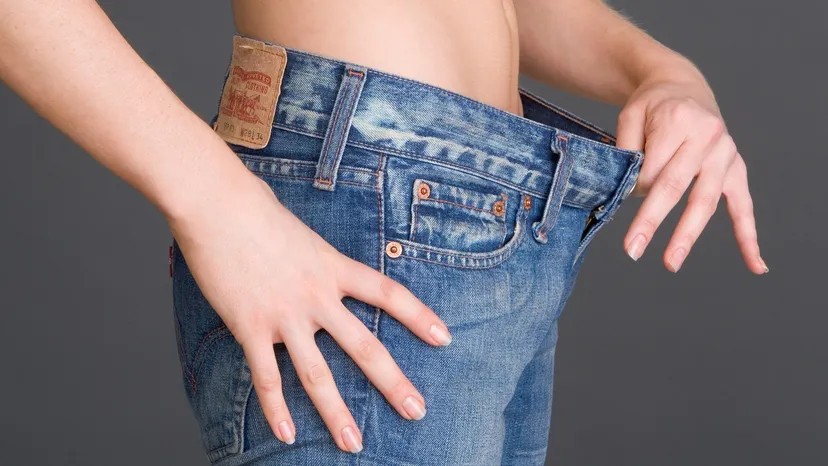
You skip dessert. You hit the treadmill. You starve yourself for three days straight. Then, you pull on your favorite pair of jeans. The buttons strain. The fabric digs in. The waistband has seemingly grown. How did that happen?
It feels like a betrayal by physics. You cut calories. You burned energy. Yet the scale might drop, but the jeans stay tight. Is it water weight? Bloating? Or is the fat just hiding?
The reality is messier and more fascinating than a simple “calories in, calories out” math problem. According to the CDC, nearly 79% of American adults are overweight or obese. That is a lot of people trying to shrink their bodies. But while many focus on the method of weight loss—surgery, keto, HIIT workouts—few understand the mechanism.
Where does the fat actually go?
The short answer: It leaves your body.
The long answer involves chemistry, biology, and a bit of surprise. You don’t sweat it out. You don’t turn it into heat. You breathe it out.
The Chemistry of Shedding Pounds
To understand weight loss, you have to look at the molecule itself. Fat is stored in adipose tissue. This tissue acts like a personal gas station, holding onto extra fuel for a rainy day. But when you restrict calories, your body needs energy. It can’t just vanish. It has to go somewhere.
Fat is made of carbon, hydrogen, and oxygen. When your body breaks down triglycerides for energy, it undergoes a chemical reaction. It’s essentially combustion. A slow, internal burn.
Here is the breakdown:
* 84% of the fat leaves as carbon dioxide. You exhale it.
* 16% leaves as water. You sweat, urinate, or shed it through other bodily functions.
Yes, you read that right. Most of your fat is breathed out.
Why the Scale Lies
If you are wondering why your jeans still fit poorly after weeks of dieting, look at the timeline. Fat loss is not linear. It is biological. Your body fights to keep reserves. Hormones like cortisol and insulin play huge roles in where fat is stored and how easily it is mobilized.
Stress keeps fat locked in the abdominal region. Sleep deprivation disrupts hunger hormones. These factors mean the number on the scale might drop, but the physical transformation lags behind. The fat cells shrink, yes. But the structural changes in your body take time to reflect in your clothing.
The “How” Behind the Burn
You don’t need to understand advanced organic chemistry to lose weight. You just need to know this:
You must create a deficit.
Your body uses calories for basic functions—breathing, thinking, keeping your heart beating. This is your Basal Metabolic Rate (BMR). If you eat more than your BMR plus your activity level, the excess is stored. If you eat less, your body taps into the reserves.
But here is the catch. Simply eating less slows your metabolism. Your body adapts. It becomes efficient. It holds onto every calorie. This is why crash diets fail. They don’t just burn fat. They burn muscle. And muscle burns calories. Lose muscle, and your metabolism drops. You become a more efficient fat-hoarder.
What Actually Works?
There is no
Where Does Fat Actually Go?
We tend to treat fat like a trash can for excess calories, assuming it vanishes when we sweat or starve. It doesn’t. The law of conservation of mass is ruthless in its simplicity: matter isn’t created or destroyed. It just changes shape. When you lose weight, that mass has to go somewhere. It becomes water. It becomes air. It leaves your body.
It starts with fuel. Carbs break down into glucose. Your liver stocks it away as glycogen, ready to be dumped into the bloodstream whenever your body needs a push. Think of your veins as a busy conveyor belt. Glucose is the first worker on the line. But when that supply runs dry, the body flips a switch. It turns to fat. This metabolic state is ketosis.
Hormones step in to manage blood sugar, triggering an enzyme called lipase inside fat tissue. Lipase acts like a key, unlocking the fat cells. These cells are stuffed with macromolecules known as triglycerides. That’s what makes them “fat.” A triglyceride is a simple structure: one glycerol backbone holding three fatty acid chains.
When lipase signals them to leave, those chains break apart. They spill into the bloodstream. The liver grabs the glycerol. Muscles snatch up some of the fatty acids. This breakdown process is lipolysis.
Once inside the mitochondria—the actual power plants of your cells—those components get shuffled. They are oxidized. The result is heat. Water. Carbon dioxide. And ATP, which is basically cellular currency, hauling energy in its bonds for when you lift a dumbbell or chase a toddler.
The water leaves through sweat and urine. The carbon dioxide? You exhale it. Every breath you take out contains the atoms that used to be part of your belly fat.
So, the fat doesn’t just vanish. It turns into breath and sweat. But here is the messy part. The fat cells shrink. They empty out. They don’t disappear entirely.
Lost Weight = Loose Skin
If the factory shrinks, does the building collapse? Not quite. But it changes.
Skin is elastic. It stretches to accommodate the expansion of fat cells. When those cells deflate, the skin is left with extra surface area. Think of it like a balloon that has been inflated for years and then slowly deflated. The rubber doesn’t snap back to its original size immediately. Maybe not ever.
This is where the biology gets complicated. Skin elasticity depends on age, genetics, and how much weight you’ve lost. Younger skin has more collagen and elastin. It bounces back. Older skin? It sags. Rapid weight loss gives the skin no time to adapt. Slow loss gives it a chance to shrink, but there are limits.
You cannot out-exercise loose skin. You can build muscle underneath, which fills out some of the slack, but you can’t shrink the skin itself through exercise. Hydration helps plump the dermis. Nutrition supports collagen production. But if you’ve lost a significant amount of weight, the skin may remain loose.
It’s not a failure. It’s a record. A map of where your body has been. Some people embrace the change. Others seek surgical intervention. Both are valid. The fat is gone. It’s in the air you breathed and the water you drank. The skin is just the wrapper, and sometimes the wrapper is too big for the new gift inside.
It feels intuitive, right? If your jeans are suddenly swimming around your hips because you’ve dropped pounds, your skin should follow suit. For moderate weight loss, it usually does. Your body shrinks back into its old jacket, thanks to elasticity. That stretchiness comes from collagen, a protein that keeps your skin from bagging out as you age.
But collagen has a shelf life. As we get older, those fibers weaken. Wrinkles appear. The elastic snaps.
The Stretch Mark Reality
Rapid expansion breaks the rules. Whether it’s a teenager hitting puberty or a woman carrying a baby, fast growth outruns the skin’s ability to produce new collagen. The result? Stretch marks.
Medically known as striae, these are common. They appear when the skin stretches too far, too fast. The internet is flooded with creams promising to erase them. Most of them fail. The truth is simpler and more expensive: time. Most stretch marks naturally fade. They don’t vanish, but they become less noticeable as the body adjusts.
When Elasticity Fails
Massive weight loss tells a different story. When you lose a significant amount of weight, the skin may have been stretched beyond its recovery point. Think of a rubber band that has been pulled until the coils are permanently separated. It hangs limply. It doesn’t snap back.
This is where the line between cosmetic preference and medical necessity blurs.
The Surgical Route for Excess Skin
The rise in gastric bypass surgeries has led to a corresponding rise in corrective procedures. Surgeons are removing folds of extra skin that no longer fit the new body contour.
Don’t let the word “cosmetic” fool you into thinking this is just vanity. Extra skin creates real health problems. It traps moisture. It breeds infections. It causes rashes. It leads to back pain and postural issues.
For many, surgery isn’t about looking better. It’s about feeling human in their own body again.
The Cost of Removal
If you’re considering body recontouring, prepare for a financial and physical commitment. The average cost for a tummy tuck was roughly $5,798 in 2016, according to the American Society of Plastic Surgeons. That number is misleadingly low.
It doesn’t include anesthesia. It doesn’t cover operating room fees. It ignores post-op care, medication, and time off work. The real cost is higher.
Surgery is invasive. It carries risk. Complications can include:
- Dead skin tissue
- Severe infections
- Open wounds that fail to heal
Because the body is healing from the inside out, surgeons often space out procedures. You might need multiple surgeries over months or even a year to address different areas safely.
Scars are lifelong. They are the permanent receipt for the procedure.
The number of people seeking this help is growing. As more individuals navigate significant weight loss, the demand for corrective surgery will continue to climb. The technology is improving, but so is the complication rate simply because more people are undergoing the procedure.
It’s a trade-off. You gain a healthier, more functional body. You lose some skin. You keep the scars.
“Extra skin can actually cause infections, rashes and back problems.”
There is no magic lotion for loose skin. There is no quick fix for skin that has lost its elasticity. There is only time, acceptance, or surgery. And surgery is never simple