That first prickle. You scratch. Then it spreads. Suddenly you start rubbing your calves, desperately trying to get rid of the irritation that feels like it is buried beneath the skin.
This is a common experience. But why does dry skin become so rough? More importantly, how do you stop itching before the blood is drawn?
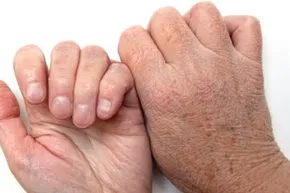
The answer lies in understanding that dry skin is inflamed skin. When your skin loses its natural oils, it loses its moisture barrier. It dries up. Rough. Flaky. Red. It is best seen on the legs (especially the calves and thighs) and on the arms or the sides of your midriff. It feels tight. It is very itchy.
If you’re fed up with this cycle, you need to treat the root cause, not just the symptoms. Here’s how you can treat itchy dry skin yourself. When should you see a doctor if your efforts don’t help?
Two causes of dry skin
To stop the itching, you must first stop the dryness. But you can’t do that if you don’t know where the dryness is coming from. The causes fall into two categories: external stimuli and internal factors.
**External causes are often the easiest to change. **
- Hard soaps: Many body washes strip the skin of its natural lipids.
- Hot water: Prolonged exposure to hot showers and highly chlorinated pools are a major cause of dehydration.
- Dry air: Winter weather or inadequate air conditioning/heating can pull moisture right out of your pores.
**Internal factors are even trickier. **
Just as eye color can be inherited, so can a tendency to sensitive skin or dryness. Age also matters. As we age, we lose the sebaceous glands that keep our skin supple. In addition, underlying diseases such as hypothyroidism and diabetes can also manifest as dry skin.
Let’s examine our daily habits. Check the laundry detergent. Ask yourself how many minutes you spend in the shower. If the air in your home is as dry as a desert, you have a clear external target. If these factors are ruled out, the cause may be internal.
Treat itchy skin at home
Once the source is identified, you can begin the repair. Simple steps can do wonders for everyday dry skin.
- **Change your soap. ** Give up abrasive and scented soaps instead of gentle, moisturizing soaps.
- **Shorten your shower time. ** Warm water is your friend. Hot water feels good, but can damage the skin barrier.
- **Humidify. ** If you live in a dry climate or have a central heating system, a humidifier can add much-needed moisture to the air.
- **Moisturize immediately. ** Apply lotion or cream while your skin is still slightly damp to lock in moisture.
If you focus on these external stimuli, you may see changes within a few days.
Is it just itching or a rash?
Not all itchy spots are just dry skin. If the dry patches look more like a rash than individual dry patches, you may be suffering from eczema.
Eczema is a chronic disease characterized by severe itching, redness and inflammation. Researchers have not identified a specific cause, so there is no cure. However, you can manage flare-ups.
If you suspect eczema, contact your doctor. They can help you develop a plan to soothe the itching and create a plan to prevent future outbreaks. In the meantime, wear gentle, natural clothes. Wash with mild soaps. Avoid scratching, as this will only make the inflammation worse.
When to see a doctor
Most dry skin conditions can be treated at home with just a few changes. But if your efforts aren’t working, it’s time to seek professional help.
Contact your doctor if:
– Constant dryness and itching despite home treatments.
– The irritation becomes severe.
– You develop a rash.
– Scratching has led to cuts and sores.
These can be signs of more serious problems, such as seborrheic dermatitis, allergic contact dermatitis, or atopic dermatitis. Do not ignore persistent symptoms.
Let’s start with the basics. Check the soap. Lower the shower temperature. Add moisture to the air. If the itching persists, look deeper.
How to quickly heal dry itchy skin
It feels like a losing battle. Wait for your dry skin to subside, but if you live in a dry climate or use harsh products on your skin, dry skin may never heal on its own. No need to wait. It can be fixed.
First, let’s look at the parts that come into contact with the skin. harsh chemicals. alcohol. The culprit may be drying agents in facial cleansers, toner, and laundry detergent. Use a mild detergent instead. The shower procedure should be done carefully. Spend less time in the water. Lower the temperature. Hot water removes natural oils faster than you can blink. Warm water is softer.
Most people have trouble getting out of the bath or shower. That brisk, aggressive rub with the towel feels amazing. It won’t last long. It can worsen skin dryness. Please stop scrubbing. Gently pat your body dry. Gently. Prevents further irritation and stops damage before it starts.
The 3-minute rule for hydration
You need to get the moisture back. Regular moisturizing alone is not enough. Timing is everything. When you get out of the shower, pool or bathtub, the water evaporates from your skin. It removes natural oils.
You have 3 minutes.
Apply moisturizer while your skin is still damp. This traps water. It’s a small window, but it makes a big difference. If you wait until it’s completely dry, you’ll lose it.
Air is also important. Your home environment has a big influence. Heaters and air conditioners dry the air. Add a humidifier to your daily routine. Reduces the effects of dehydration by controlling the indoor environment. Use moisturizer and sunscreen together, especially if you’re going to a dry climate. Double protection. Prevents dry air and harmful UV rays at the same time.
Hydration and itching control
Sometimes dry skin is just a symptom. Your body is dehydrated. You need fluids. Drinking enough water throughout the day keeps your body and skin hydrated from the inside. Basic but effective.
Then there is itching.
Itching hurts. This is how your body reacts. Scratching feels good. it doesn’t solve the problem. It increases irritation. It worsens the condition. You know you shouldn’t scratch, right? But what if you can’t help it?
Apply a small amount of over-the-counter hydrocortisone cream to the affected area. It calms inflammation. If the itching lasts more than a week, don’t speculate. Go to the doctor. Antihistamines or stronger steroids may be recommended.
It is possible to fix daily dry skin. With proper care, it will be a thing of the past. Your skin barrier is resilient. Give it what it needs and it will respond.