We’ve all bought the lie. The idea that if you’re not overweight, you don’t have a problem. That your flat stomach is a moral victory. It’s not. Even if you hit the gym daily and eat like a monk, you can still carry extra weight around your midsection. And it’s not just about how your jeans fit. It’s about what’s happening under the hood.
Visceral Fat vs. Subcutaneous Fat: What’s the Difference?
There are two kinds of fat. You know one. It’s the soft stuff under your skin. You can pinch it. It’s called subcutaneous fat. It’s annoying, sure. But it’s mostly harmless.
The other kind is visceral fat. This is the dangerous stuff. It hides deep inside, wrapping around your organs like a toxic blanket. You can’t see it. You can’t pinch it. But it’s the one linked to serious health issues.
How do you know if you have it? You don’t need an MRI. Look at your shape. If you’re apple-shaped or have a large waistline, you likely have high levels of visceral belly fat.
“There’s no such thing as a ‘perfect’ body, so what’s the big deal if your stomach isn’t flat?”
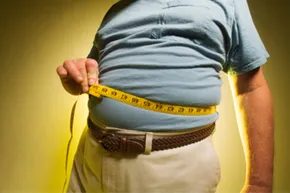
It’s a big deal because of the numbers. The U.S. Department of Health and Human Services says you’re at risk if your waist is over 35 inches (for women) or 40 inches (for men). The World Health Organization suggests even lower thresholds for people of Asian ethnicity: 31 inches for women and 35 inches for men.
Why Is Belly Fat So Dangerous?
It’s not just extra padding. It’s active tissue. It messes with your insulin. That leads to type II diabetes. It hikes up your risk for heart disease. Stroke. Some cancers. Sleep apnea. Premature bone density loss. Even dementia.
Why? We’re not entirely sure yet. But the link is strong.
What Causes Belly Fat?
Heredity plays a part. Age does too. We call it “middle-aged spread” for a reason. As you get older, your metabolism slows. Hormones shift.
Cortisol is the villain here. It’s the stress hormone. Your adrenal glands make it to help you process glucose and manage stress. But when stress runs high, cortisol stays high. And high cortisol means more belly fat. It’s a vicious cycle.
How to Lose Belly Fat Without Surgery
Plastic surgery isn’t the answer. Liposuction removes subcutaneous fat. It doesn’t touch visceral fat. In fact, researchers in Brazil found that if you remove the surface fat without changing your diet or exercise, your body might just replace it with more dangerous visceral fat.
So what works?
- Cardio. Forget sit-ups. Crunches tone muscle. They don’t burn fat. You need vigorous aerobic exercise. Thirty minutes or more, most days. Brisk walking. Dancing. Bicycling. It doesn’t have to be running. Just move.
- Strength training. Lift weights. Build muscle. Muscle burns more calories than fat, even when you’re resting. It raises your metabolism.
- Core strength. Planks help. Not for spot-reducing fat, but for stability and posture.
What Should You Eat?
Food matters. A lot.
Avoid trans fats. They’re in prepackaged cookies, crackers, and fried fast food. Research from Wake Forest University shows trans fats don’t just add weight. They specifically target your belly. They even move fat from other parts of your body to your midsection.
Cut the sugar. Eat whole grains. Load up on fruits and vegetables. Fiber keeps you full. It lowers insulin. It may shrink fat cells.
Include healthy monounsaturated fats. Olive oil. Avocados. Almonds. Peanuts. These fats help break down belly fat.
And drink water. Always water. It flushes out excess fluid. It stops bloating. And often, you think you’re hungry when you’re just thirsty.
The Hidden Key: Stress and Sleep
You can’t out-exercise a bad night’s sleep. Or chronic stress.
Sleep eight hours. Aim for it. Lack of sleep spikes cortisol. High stress spikes cortisol. High cortisol grows belly fat.
Find ways to diffuse stress. Yoga. Meditation. Journaling. It sounds cliché. But it works.
Are Belly Fat Pills Worth It?
No.
There are pills out there. They promise to lower cortisol. They promise to burn belly fat while you sit on the couch. They’re not regulated by the FDA. There’s no scientific research to back them up.
Notice the fine print. “In conjunction with a healthy diet and exercise.” That’s the catch. There is no pill that lets you eat junk and stay thin. Be wary.
The Reality Check
I joked that I could write this article in two words: “plastic surgery.” I know the struggle. I know the diet industry is a multi-billion dollar machine built on our desire for a secret shortcut.
There is no secret.
Eating well. Exercising. Sleeping. Managing stress. It’s boring. It’s hard. But it’s the only way.
Belly fat isn’t about swimsuit season. It’s about staying healthy. It’s about longevity. So keep fighting the good fight. Even when it’s hard. Especially when it’s hard.
The hidden danger of visceral fat
It sits deep inside. Not on top of your organs, but wrapped around them. This is visceral fat. It looks like just another layer of belly flab, but it’s metabolically active. It leaks inflammatory chemicals into your blood. Harvard Health Publications calls it dangerous for a reason. It’s linked to insulin resistance. Prediabetes. Heart disease. The National Diabetes Information Clearinghouse notes that excess abdominal fat is a key player in how your body handles sugar. If you’re worried about the scale, check your waistline instead. The McKinley Health Center at the University of Illinois suggests measuring it. For women, a number over 35 inches raises the alarm. The World Health Organization agrees. Obesity isn’t just about weight. It’s about where the weight lives.
Why liposuction isn’t the quick fix you think it is
You might be tempted to just suck it out. Liposuction. It’s tempting. Quick. Visual. But here’s the kicker. A study highlighted by Health Day and Dr. Alan Mozes suggests a “boomerang” effect. Remove the subcutaneous fat, and the body might just store more visceral fat. The dangerous kind. The kind that surrounds your heart and liver. Rush University Medical Center asks if there’s really a “one trick” to losing fat. The answer is no. There is no magic bullet. No single food. No single pill. Liposuction changes your shape, not your metabolism. It might even make your health risks worse by shifting where the fat accumulates. So, skip the syringe. Focus on the lifestyle.
Cortisol: The stress hormone that builds belly fat
Why does stress make you fat? Specifically, in the middle. It’s cortisol. WebMD explains that this hormone prepares your body for fight or flight. But modern life is chronic flight. Deadlines. Traffic. Family drama. Your body stays in that state. Cortisol stays high. High cortisol breaks down muscle and stores fat. Where? The abdomen. It’s an evolutionary holdover. Your body thinks you’re being chased by a lion, so it hoards energy right where it’s accessible. Dr. Mehmet Oz often talks about this link on his show. Stress management isn’t just good for your mood. It’s essential for your waistline. Meditation. Sleep. Walking. Anything that lowers the heart rate helps lower the cortisol.
Foods that actually help burn belly fat
You won’t find a miracle berry. But some foods are better than others. CBS News listed eight foods that help. Fox News had ten. Men’s Health had fifteen. They all overlap. You’re looking for fiber. Protein. Healthy fats. Oats. Beans. Yogurt. Dark chocolate (yes, really, but in moderation). These foods keep you full. They stabilize blood sugar. They don’t spike insulin. Brian Good from Men’s Health emphasizes “fired-up” foods. Things that require energy to digest. Lean meats. Cruciferous vegetables. Nuts. The goal isn’t starvation. It’s density. Nutrient density. Fill your plate with things that make your body work for the calories. Not empty carbs that vanish in an hour.
The movement myth: Cardio vs. strength training
WebMD’s Kathleen Doheny says to keep moving. Obviously. But what kind of moving? Most people default to cardio. Running. Cycling. It burns calories. Sure. But it doesn’t always target visceral fat efficiently. Strength training is the unsung hero. Building muscle increases your resting metabolic rate. You burn more calories just sitting on the couch. Lorie Johnson from CBN News talks about “busting a gut.” It implies effort. It should. Consistency beats intensity. A daily walk is better than a brutal gym session once a week that leaves you too sore to move for three days. Find something you can do every day. Dance. Lift heavy things. Carry groceries. Move your body in ways that don’t feel like punishment.
The reality of losing that stubborn inch
It’s slow. It’s annoying. You’ll hate it for a while. That’s normal. The fat cells shrink, they don’t disappear. Your genetics play a role. Your age plays a role.