“Men and melons are hard to do.” Benjamin Franklin wrote that. It’s a funny quip. It’s also true. We struggle with both. But at least with fruit, you can use logic. Or at least, your senses.
You don’t need to be a wizard. You just need to pay attention.
“It’s not just flavor,” says Thanh Truong. He’s a third-generation fruiterer. He goes by Fruit Nerd. “It’s mouthfeel. It’s complexity.”
If a melon tastes like pure sugar, you bought the wrong one. You want sweet umami. Acid. Tang. Complexity.
So, how do you find those melons? You use your five senses. No gimmicks. Just physics and biology.
The Visual Check: Look, Don’t Just Glare
Eye contact is important. But don’t stop there.
First, check the shape. It should be well-rounded. No hollow sides. No bruises. No mold. If it’s damaged, put it back.
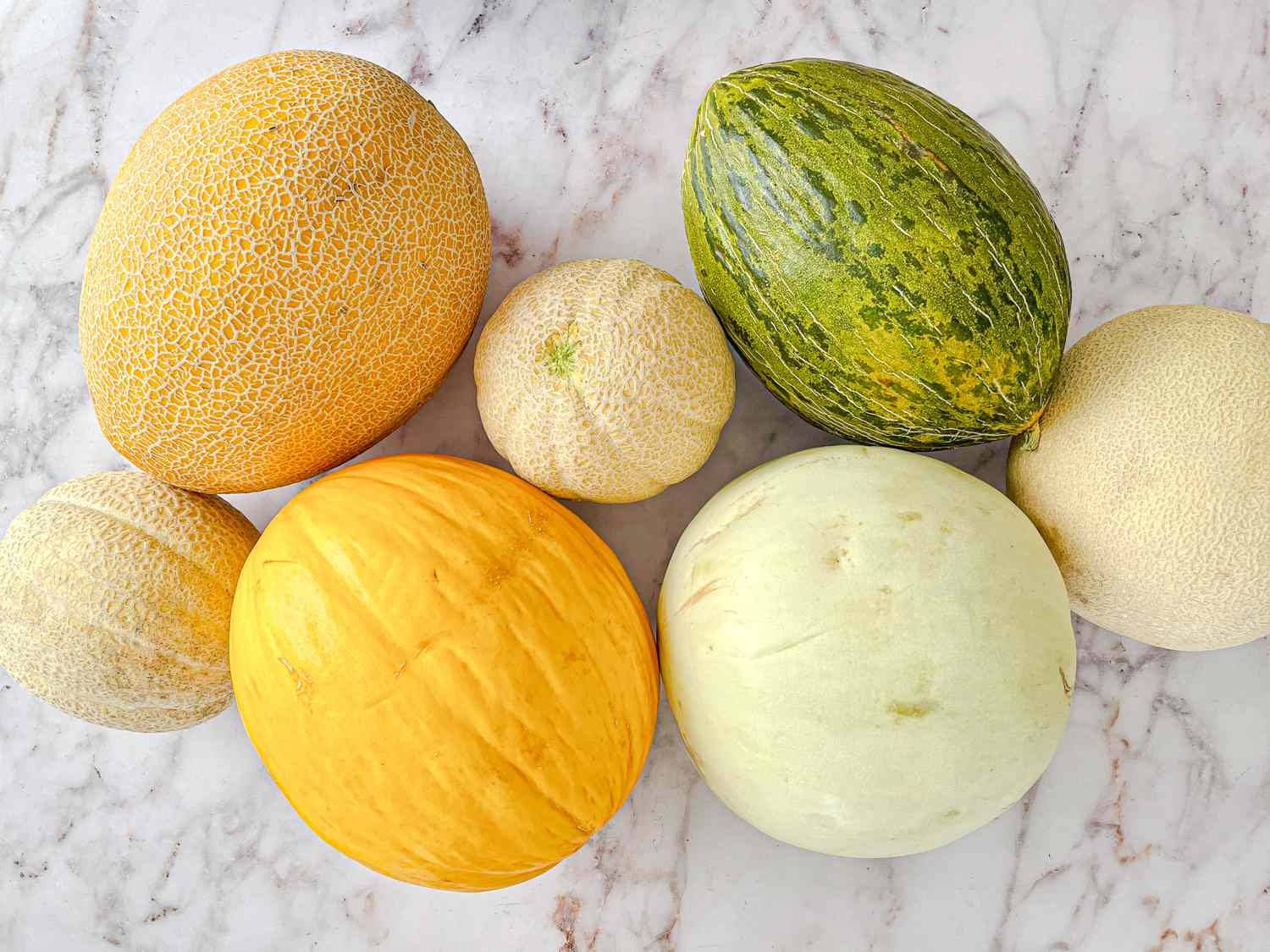
Now look at the skin texture. It changes depending on the type.
Netting on Muskmelons
American cantaloupe? Look for raised netting. It should be dense. Evenly distributed. If the netting is raised, the flavor is usually better.
Webbing on Winter Melons
Santa Claus melons? They develop webbing. Veins. It looks ugly. Growers often skip these on the first harvest because they’re not photogenic. Don’t be.
“Looking for webbing has never failed me,” Truong says.
Why? Because webbing means the melon stayed on the vine longer. More time on the ground equals more mature flavors. You want that ugly melon.
Color Undertones
This is where most people fail. You don’t care about the skin color. You care about the undertone.
Peel back the illusion of the rind. Look underneath. Is it green? White? Skip it. You want cream. Beige. Yellow. Warmth indicates sweetness.
“Regardless of type, it’s the undertone. If it’s green or white underneath, it won’t be sweet.”
The Tactile Test: Weight and Pressure
Hold it. Really hold it.
The Heaviness Test
Juicy melons are heavy. Pick up two melons of the same size. The heavier one has more water. More juice. More flavor.
Simple physics.
The Press Test
Don’t crush it. Just press.
Use your thumb on the blossom end. That’s the base. Opposite the stem. The bottom often gives way first.
If it yields slightly? Good. Ready to eat.
If the sides give? Too far gone.
If your thumb sinks in? Overripe.
If it’s hard as a rock? Underripe.
“If the thumb breaks through, forget about it,” Amy Goldman says. She’s an heirloom seed expert. She’s seen it all.
Overripe melons lose their water structure. The flesh becomes alcoholic. Smelly. Bad.
The Olfactory Check: Smell the Ends
Muskmelons are loud. They announce their ripeness.
Smell the ends. Top and bottom. That’s where the skin is thinnest.
If it smells fragrant? Good.
If it smells like perfume? Great.
If it smells musty or acidic? Too ripe.
If it smells like a cucumber? Underripe.
Don’t bother smelling a honeydew this way. The rind is too thick. The scent can’t get out.
The Auditory Clue: Listen for Sloshing
Shake it. Gently.
You should hear nothing. Or maybe a faint rattle.
Rattling is fine. It’s just loose seeds. That’s normal.
Sloshing? No. Sloshing means the flesh has broken down. Water has separated from the fiber. It’s mush.
“Once you pass that moment, it’s waterlogged,” Truong says. “Flat. Soft. Even if it’s sweet, it’s bad texture.”
Texture matters. A lot.
The Flavor Profile: Sweet Umami
Why does all this matter?
Because a melon picked too early never recovers. It can get softer. Juicier. Fragrant. But it won’t catch up on flavor.
“What you pick is what you get,” Goldman says.
But there is hope. Farmers market melons are often superior to supermarket stock. They’re vine-ripened. Harvested at 95% maturity. Or 100%.
That’s when you get sweet umami. A balance of acid, sweetness, and tang. Straight sugar is boring. Complex flavors are what you want.
Putting It Into Practice
I tried this. Really.
Peak season hadn’t hit yet. But I went shopping anyway. I used the nose. The hands. The eyes.
The supermarket melons were okay. The farmers market ones? Incredible.
I picked up a Santa Claus melon. Webbed perfectly. Smelled great. Heavy.
I sliced it. It sloshed a little. Maybe slightly overripe. The juices pooled.
I ate it anyway. It was sweet. Succulent. Christmas in July.
Other melons failed. Too firm. No give. Honeydews that tasted like sparkling water. Not real fruit.
It’s frustrating. When you buy a bad melon. But you can reduce the risk.
Use your senses. Tap into them. The melon will tell you what it needs. You just have to listen.
Or smell. Or shake.