I’ve always been anti-wearable.
I didn’t want the data. I figured tracking my every heartbeat would just make me anxious, not healthy. Then, about a year ago I got a ceramic Oura Ring 4 for work. I expected to hate it. Instead, I loved it.
The shift wasn’t just the hardware. It was the packaging. When I get a bad sleep score the app doesn’t scream that I’m dying. It suggests I take it easy. Insights like sleep debt help me look at health in the big picture instead of stressing over daily fluctuations. I’m a fan of the brand now. There was just one tiny problem.
The ring looked bulky on my hand. It felt silly.
So when Oura announced the new 5, which is thinner and lighter, I was in. I tested the next-generation ring for nearly a month. Here is the full breakdown and how it actually compares to the version before it.
How the Oura Ring 5 Actually Performed
I’m not new to the brand. There aren’t major functional differences between the 4 and 5 beyond the look. Both track heart rate, sleep, menstrual cycles, and activity data with equal competence.
The ring fits seamlessly into my life.
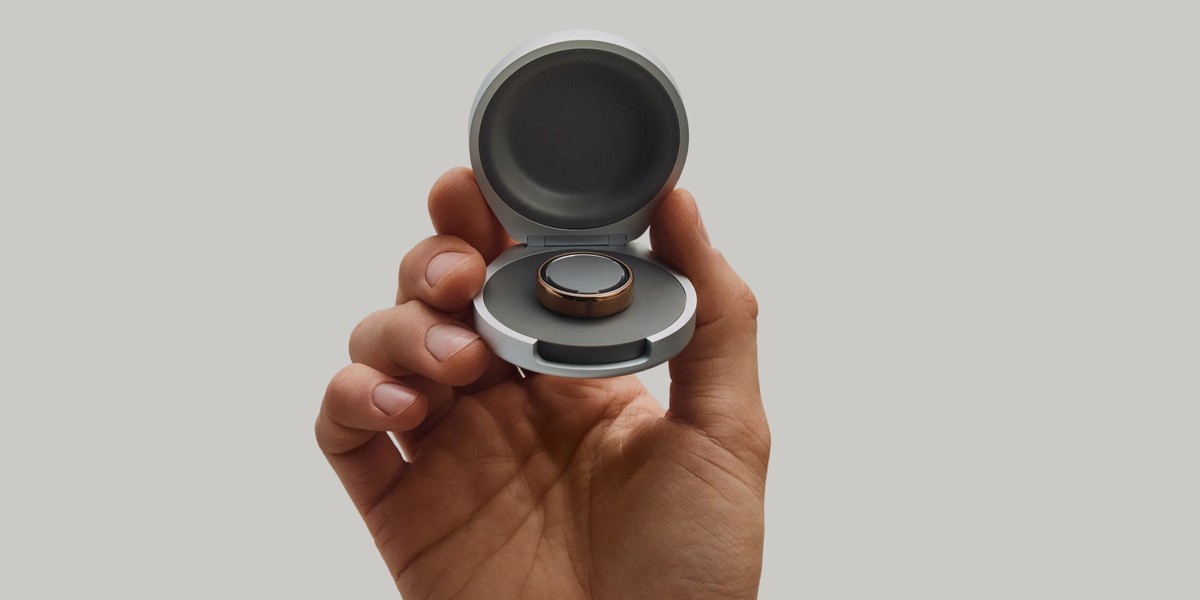
I wear the gold Oura Ring 5 24/7. Shower with it? Yes. Run with it? Mostly. I use my Garmin for serious training but keep the Oura on for the general movement. Lift weights? No way. You can’t risk the scratch-resistant titanium. It’s just not gym-friendly. That’s the nature of the device.
For constant wear the battery life is impressive.
Oura estimates the Ring 4 lasts 5–8 days and the Ring 5 lasts 6–9 days. In my month of testing I charged it three or four times. That matches the specs exactly. The battery warning hits at 20% with about 20 hours left. That’s plenty of time to plug it in. You only need 1–2 hours for a full charge.
One catch.
You pay a subscription on top of the hardware. $6 a month or $70 a year. The ring itself costs $399. Factor that in before you buy.
The New Look Is Not Just Cosmetic
The headline feature is the slim profile. The band is now 6.09 mm wide down from 7.90 mm on the Ring 4. It is also thinner.
- Ring 4 thickness: 2.88 mm
- Ring 5 thickness: 2.28 mm
Weight followed suit. Sizing affects final grams but the smallest Ring 5 weighs just 2 grams. The Ring 4 was 3.3 grams.
This matters. My ceramic 4 felt slightly chunky. The 5 feels light. Low-key. The tech camouflages better into my existing jewelry collection. It doesn’t scream “gadget.” It looks like a ring.
If you are upgrading don’t just order your current size.
The fit is different. My Ring 4 is a size 8 but my Ring 5 is a size 7. (Correction from initial draft: My Ring 4 was size 7 and the new 5 is size 8). Wait, let’s clarify. The sizing scale shifted. The brand recommends using their free sizing kit. Don’t skip this. Guessing the size will ruin the experience.
Colors include gold, silver, stealth (black), brushed silver, deep rose, and the original black.
The Data Doesn’t Lie
The app connects via Bluetooth. It refreshes and analyzes in real time. You get the basics: steps, calories, heart rate. But the depth is where it counts.
You get body temperature trends. Heart rate variability (HRV). Resting heart rate.
One feature saves time: automatic activity logging. I don’t hit start on a run. The ring figures it out. It picks up the motion and heart rate spikes on its own.
The sleep score is the most famous metric. It’s simple. One number. But click into it and the layers appear. How much time was spent in deep sleep versus REM.
My favorite metric is sleep debt.
Oura calculates how behind I am on rest. When the debt is high it’s a red flag. I prioritize rest. I set my alarm for ten minutes later. It forces accountability without guilt trips.
Stress and resilience are the other big ones. Resilience measures how your body recovers from demand. It’s not just about the stress itself. It’s about how you bounce back. All this data makes you curious about your own habits. It’s engaging.
Alternatives to the Oura Ring
You don’t have to pick Oura if you want a ring.
Two other brands pop up in reviews. The Ultrahuman Ring Air claims 14 days of battery life and costs less. Another option is the Samsung Galaxy Ring. It sits at about 2.6 mm thick. The Oura 5 is thinner at 2.28 mm.
Each has trade-offs. Samsung has better ecosystem integration if you are deep in Android. Oura has a more mature app and deeper historical data.
Final Thoughts
I knew I’d like the ring. I just needed the size to be right. The 5 is the best-looking Oura ring yet.
If you are new to tracking, start here. The insights are thorough but accessible. The data doesn’t overwhelm.
If you already own a Ring 4 the upgrade is aesthetic. You aren’t missing core functionality. It’s about whether you want that sleeker profile on your finger.
The data is there either way.
Maybe I’ll finally take it off sometime. Probably not.